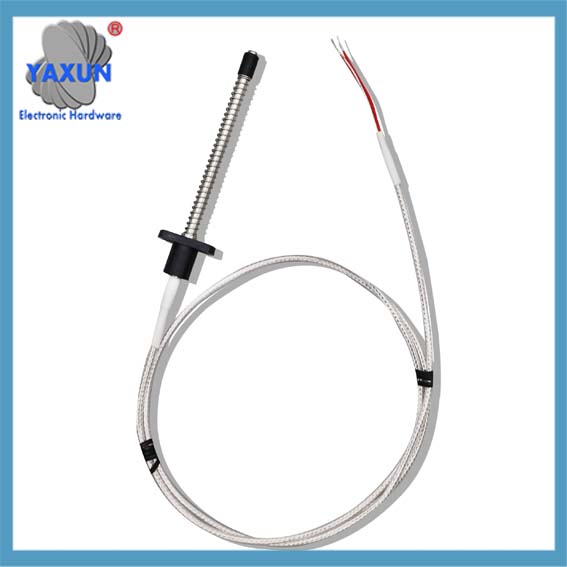
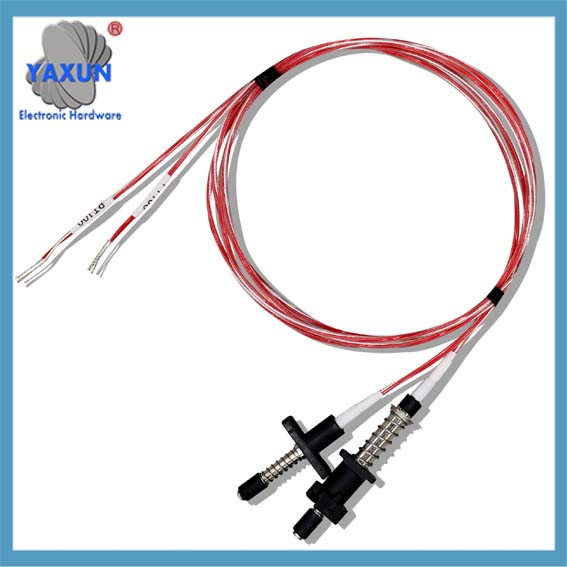
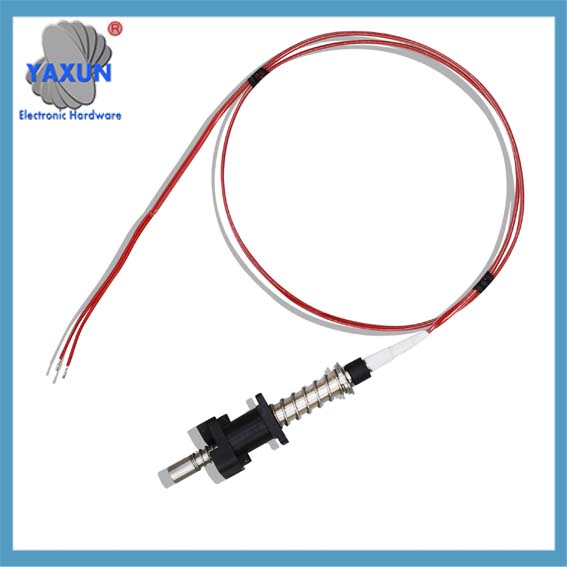
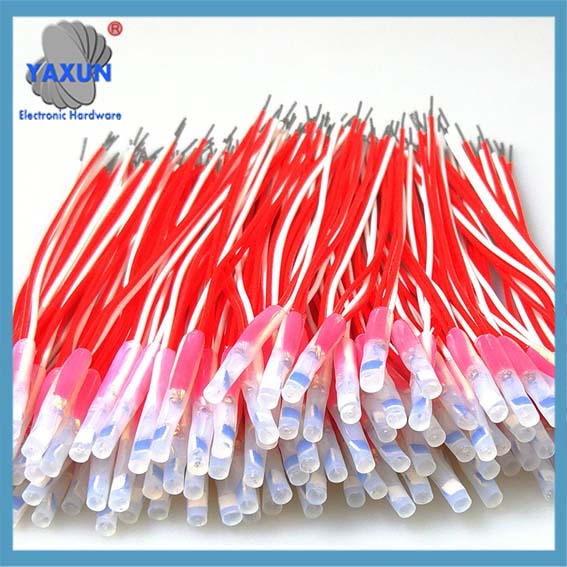
PT100 اور PT1000 پلاٹینم مزاحمتی درجہ حرارت کے سینسر ہیں۔. ان کا آپریٹنگ اصول اس خصوصیت پر انحصار کرتا ہے کہ درجہ حرارت بڑھنے کے ساتھ ہی پلاٹینم تار کی برقی مزاحمت بڑھ جاتی ہے۔ (یعنی, درجہ حرارت کا ایک مثبت گتانک, یا پی ٹی سی). دونوں اعلی درستگی اور بہترین استحکام کے فوائد پیش کرتے ہیں۔.
ان کا سب سے بنیادی فرق 0°C پر ان کی برائے نام مزاحمتی قدر میں ہے۔: PT100 کی مزاحمت 100Ω ہے۔, جبکہ PT1000 کی مزاحمت 1000Ω ہے۔. اس بظاہر معمولی فرق کے نتیجے میں ان کی کارکردگی کی خصوصیات اور قابل اطلاق منظرناموں کے حوالے سے الگ زور دیا جاتا ہے۔.
📊 بنیادی کارکردگی کے فرق کا موازنہ
| خصوصیات |
PT100 |
PT1000 |
لیتھیم آئن بیٹری ایپلی کیشنز پر اثر |
| 0 ° C پر مزاحمت |
100 اوہ |
1000 اوہ |
تمام بعد میں کارکردگی کے فرق کا بنیادی ذریعہ. |
| حساسیت |
تقریبا. 0.385 Ω/°C |
تقریبا. 3.85 Ω/°C (10 گنا زیادہ) |
PT1000 زیادہ واضح سگنل کی مختلف حالتوں کو ظاہر کرتا ہے اور معمولی درجہ حرارت کے اتار چڑھاو کے لیے زیادہ حساس ہے. |
| مداخلت استثنیٰ |
کم (لیڈ مزاحمت سے اہم اثر و رسوخ) |
مضبوط (لیڈ مزاحمت سے کم سے کم اثر و رسوخ) |
PT1000 بی ایم ایس وائرنگ کے لیے بہتر ہے جس میں لمبے سیسہ کی تاریں شامل ہیں۔; یہ ایک معیاری دو تار کنفیگریشن کے استعمال کی اجازت دیتا ہے۔, اس طرح اخراجات کو کم کرنا. |
| بجلی کی کھپت اور خود ہیٹنگ |
اعلی (اعلی جوش کرنٹ کی ضرورت ہوتی ہے۔) |
زیریں (کم کرنٹ کی ضرورت ہے۔) |
PT1000 کم سے کم خود حرارت پیدا کرتا ہے۔, جس کے نتیجے میں زیادہ درست پیمائش ہوتی ہے—کم پاور والے منظرناموں میں ایک اہم عنصر جیسے بیٹری پیک. |
| عام درستگی |
اعلی (جیسے, کلاس اے: ±0.15°C) |
اعلی (جیسے, کلاس اے: ±0.15°C) |
دونوں قسمیں اعلیٰ سطح کی درستگی حاصل کرنے اور BMS ایپلی کیشنز کی ضروریات کو پورا کرنے کی اہلیت رکھتی ہیں۔. |
| لاگت اور پھیلاؤ |
صنعت کا معیار, کم لاگت, وسیع پیمانے پر اپنایا |
قدرے زیادہ قیمت; مقبولیت میں اضافہ |
PT100 کا سامنا روایتی صنعتی کنٹرول سسٹمز میں عام طور پر ہوتا ہے۔. |
🔍 لیتھیم بیٹری ایپلی کیشنز کا انتخاب کیسے کریں۔?
عملی بیٹری مینجمنٹ سسٹمز میں (بی ایم ایس) اور بیٹری ٹیسٹنگ ماحول, PT1000 تیزی سے عام ہوتا جا رہا ہے۔. یہ رجحان بنیادی طور پر درج ذیل کلیدی شعبوں میں اس کے فوائد کی وجہ سے کارفرما ہے۔:
فائدہ 1: مضبوط مداخلت استثنیٰ اور آسان ڈیزائن: PT1000 میں مزاحمت کی تبدیلی کی شرح PT100 کے مقابلے میں دس گنا ہے۔. اس کا مطلب یہ ہے کہ جوڑنے والی تاروں میں خود مزاحمت موجود ہے۔ (عام طور پر دسیوں milliohms فی میٹر) PT100 کے مقابلے میں پیمائش کی کل غلطی میں صرف ایک دسواں حصہ ڈالتا ہے۔. نتیجتاً, بی ایم ایس ایپلی کیشنز میں جس میں لمبی وائرنگ ہوتی ہے۔, PT1000 ایک سادہ دو تار کنکشن سکیم استعمال کر سکتا ہے۔, جبکہ PT100 کو تار مزاحمتی غلطیوں کی تلافی کے لیے زیادہ پیچیدہ تھری وائر یا فور وائر کنفیگریشن کی ضرورت ہوگی۔.
فائدہ 2: کم بجلی کی کھپت اور خود حرارتی اثرات کو دبانا: PT1000 کی بجلی کی کھپت PT100 کے مقابلے میں نمایاں طور پر کم ہے۔. بیٹری مینجمنٹ سیاق و سباق میں, اس کا مطلب یہ ہے کہ سینسر خود کم سے کم حرارت پیدا کرتا ہے۔, اس طرح اس سے روکتا ہے “جھوٹی رپورٹنگ” ایک بلند درجہ حرارت; مزید, اس کی کم پاور ڈرا BMS کے اندر توانائی کی مجموعی کھپت کو کم کرنے میں معاون ہے۔.
فائدہ 3: اگلی نسل کی اندرونی ایمبیڈنگ ٹیکنالوجیز کے لیے موزوں: ٹکنالوجی کے موجودہ جدید ترین حصے میں PT1000 سینسر کو براہ راست لیتھیم بیٹریوں کے اندر سرایت کرنا شامل ہے۔, بیٹری کی اندرونی اصل وقتی نگرانی کو فعال کرنا “بنیادی درجہ حرارت”
کارکردگی کی توثیق: میں کی گئی ایک تحقیق 2025 اس بات کی تصدیق کی کہ جب PT1000 مائیکرو سینسرز کو براہ راست بیٹری کے انوڈ میں ضم کیا گیا تھا۔, بیٹری کی صلاحیت برقرار رکھنے کی شرح کے بعد 300 چارج ڈسچارج سائیکل—صرف معیاری بیٹری سے مختلف 0.75%, الیکٹرو کیمیکل کارکردگی پر نہ ہونے کے برابر اثر کا مظاہرہ کرنا. ایک حیران کن دریافت: ایک لگائے گئے PT1000 سینسر نے انکشاف کیا کہ جب بیٹری کو بیرونی طور پر 120 ° C پر گرم کیا جاتا ہے, اس کا اصل اندرونی درجہ حرارت صرف 104.6 ° C تھا - جس کے نتیجے میں اندرونی اور بیرونی کے درمیان درجہ حرارت 15 ° C تک کا فرق تھا۔. یہ حتمی طور پر بیرونی سینسروں میں موجود اہم پیمائش کے وقفے کو ظاہر کرتا ہے۔, اس طرح درست نگرانی کے لیے PT1000 کی اہم قدر کو اجاگر کرنا.
💡 انتخاب کیسے کریں۔?
عام طور پر بولتے ہیں, PT100 اور PT1000 کے درمیان فیصلہ کرتے وقت, مندرجہ ذیل اصول ایک رہنما کے طور پر کام کر سکتے ہیں:
PT1000 کو ترجیح دیں۔: سب سے نئے ڈیزائن کردہ بیٹری مینجمنٹ سسٹمز کے لیے (بی ایم ایس), بیٹری پیک ٹیسٹنگ کا سامان, اور ایپلی کیشنز جہاں اعلی صحت سے متعلق اور کم بجلی کی کھپت سب سے اہم ہے۔, PT1000 عام طور پر بہترین انتخاب ہے۔. یہ مؤثر طریقے سے سرکٹ ڈیزائن کو آسان بناتا ہے اور زیادہ قابل اعتماد پیمائش کا ڈیٹا فراہم کرتا ہے۔.
PT100 کے انتخاب کے لیے منظرنامے۔: اگر آپ کے سسٹم کو موجودہ صنعتی آلات کے ایک بڑے انسٹال بیس کے ساتھ مطابقت درکار ہے۔ (جیسے کہ کچھ PLCs یا درجہ حرارت کنٹرولرز جو مقامی طور پر PT100 ان پٹ کو سپورٹ کرتے ہیں۔), یا اگر آپ لاگت کے حوالے سے انتہائی حساس ہیں۔, PT100 ایک قابل اعتماد آپشن بنا ہوا ہے جس کی بدولت ایک صنعتی معیار اور اس کی کم قیمت ہے۔.
🛠️ سپورٹنگ سرکٹری اور ٹولز
اس سے قطع نظر کہ آپ کس سینسر کا انتخاب کرتے ہیں۔, سگنلز کو پڑھنے کے لیے آپ کو ساتھ والے سرکٹری یا ماڈیولز کی ضرورت ہوگی۔:
سرشار درجہ حرارت کی پیمائش کے ماڈیولز: بالغ ماڈیولز مارکیٹ میں آسانی سے دستیاب ہیں—جیسے ZAM6228—جو براہ راست کنکشن کی حمایت کرتے ہیں۔ 8 3-تار PT100 سینسر کے چینلز. ±0.1°C کی پیمائش کی درستگی اور 0.01°C کی ریزولوشن پیش کرنا, یہ ماڈیول ملٹی چینل بیٹری ٹیسٹنگ کیبنٹ کے لیے مثالی طور پر موزوں ہیں۔.
بیٹری ٹیسٹنگ سسٹمز: پروفیشنل بیٹری ٹیسٹنگ کا سامان تیار کرنے والے — جیسے کہ Arbin — وقف شدہ PT100 RTD ماڈیول بھی پیش کرتے ہیں۔. یہ ماڈیولز اعلی صحت سے متعلق 4 تار کی پیمائش کی تکنیک کا استعمال کرتے ہیں۔, ±0.1°C کی ماڈیول سطح کی درستگی حاصل کرنا.
کیا آپ فی الحال BMS سرکٹ ڈیزائن کر رہے ہیں یا بیٹری ٹیسٹنگ کر رہے ہیں؟? اگر یہ نیا منصوبہ ہے۔, میں شور سے بچاؤ کے ڈیزائن کو آسان بنانے کے لیے براہ راست PT1000 کا انتخاب کرنے کی سفارش کرتا ہوں۔; تاہم, اگر میراثی سامان کے ساتھ مطابقت ضروری ہے۔, PT100 کا انتخاب زیادہ سمجھدار انتخاب ہوگا۔. کیا آپ چاہیں گے کہ میں سگنل ایکوزیشن سرکٹری کے مخصوص ڈیزائن کے بارے میں مزید تفصیلات فراہم کروں؟?
 English
 Afrikaans
 العربية
 বাংলা
বাংলা bosanski jezik
 Български
 Català
 粤语
粤语 中文(简体)
 中文(漢字)
 Hrvatski
 Čeština
 Nederlands
 Eesti keel
 Suomi
Suomi Français
 Deutsch
 Ελληνικά
 हिन्दी; हिंदी
 Magyar
 Bahasa Indonesia
 Italiano
 日本語
日本語 한국어
한국어 Latviešu valoda
 Lietuvių kalba
 македонски јазик
 Bahasa Melayu
 Norsk
Norsk پارسی
پارسی Polski
 Português
 Română
 Русский
 Cрпски језик
 Slovenčina
 Slovenščina
 Español
 Svenska
 ภาษาไทย
 Türkçe
 Українська
 اردو
اردو Tiếng Việt