 English
 Afrikaans
 العربية
 বাংলা
বাংলা bosanski jezik
 Български
 Català
 粤语
粤语 中文(简体)
 中文(漢字)
 Hrvatski
 Čeština
 Nederlands
 Eesti keel
 Suomi
Suomi Français
 Deutsch
 Ελληνικά
 हिन्दी; हिंदी
 Magyar
 Bahasa Indonesia
 Italiano
 日本語
日本語 한국어
한국어 Latviešu valoda
 Lietuvių kalba
 македонски јазик
 Bahasa Melayu
 Norsk
Norsk پارسی
پارسی Polski
 Português
 Română
 Русский
 Cрпски језик
 Slovenčina
 Slovenščina
 Español
 Svenska
 ภาษาไทย
 Türkçe
 Українська
 اردو
اردو Tiếng Việt
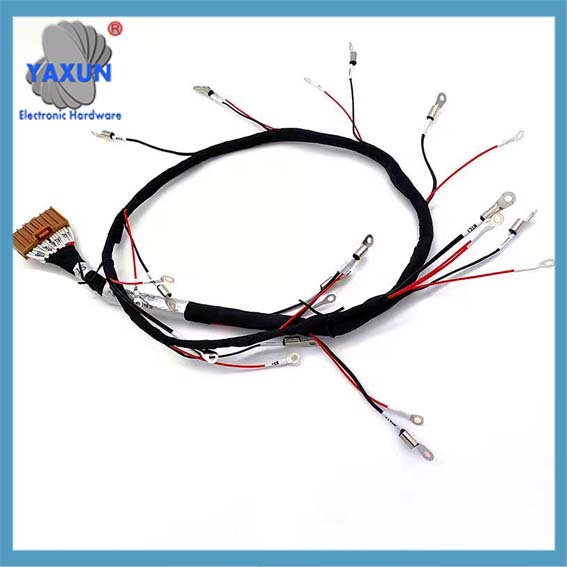
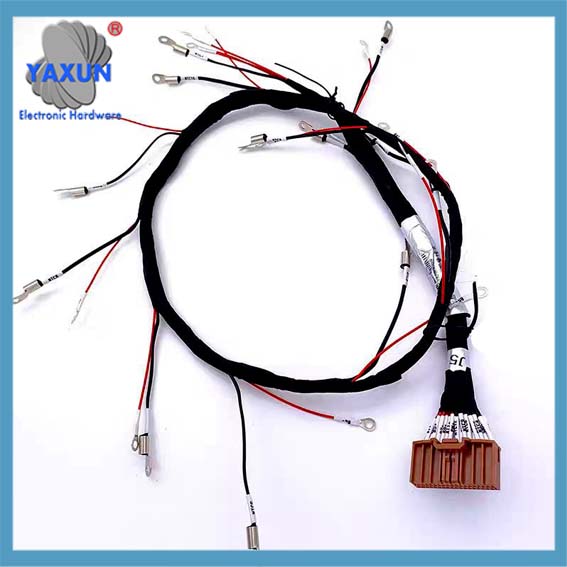
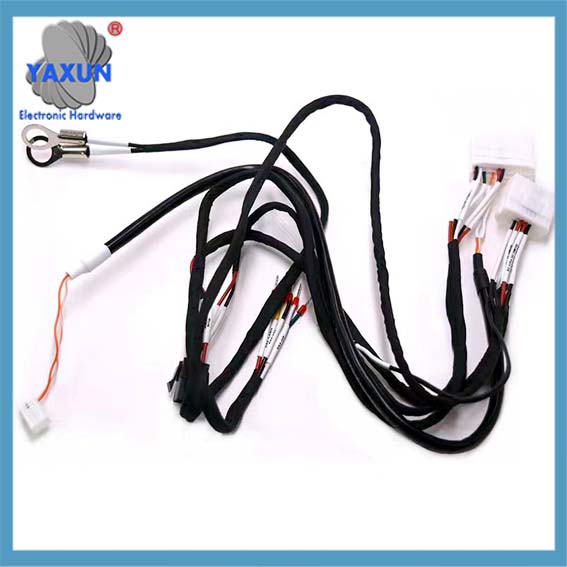

Nei sistemi di gestione della batteria (BMS), NTC (Coefficiente di temperatura negativo) i sensori di temperatura fungono da componenti fondamentali per ottenere un monitoraggio preciso della temperatura e una gestione termica. Caratterizzati dalla loro elevata sensibilità, basso costo, e dimensioni compatte, costituiscono una linea di difesa fondamentale per salvaguardare la sicurezza della batteria, prestazione, e longevità.
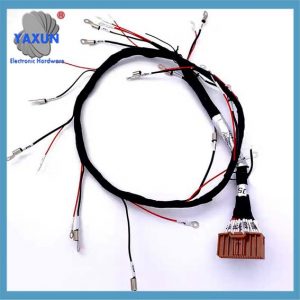 Sensore di temperatura NTC per batteria di accumulo di energia New Energy CCS |
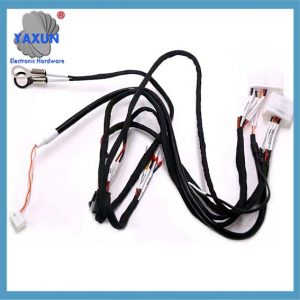 Voltaggio della batteria & Terminali del cablaggio di rilevamento della temperatura: sensore di temperatura |
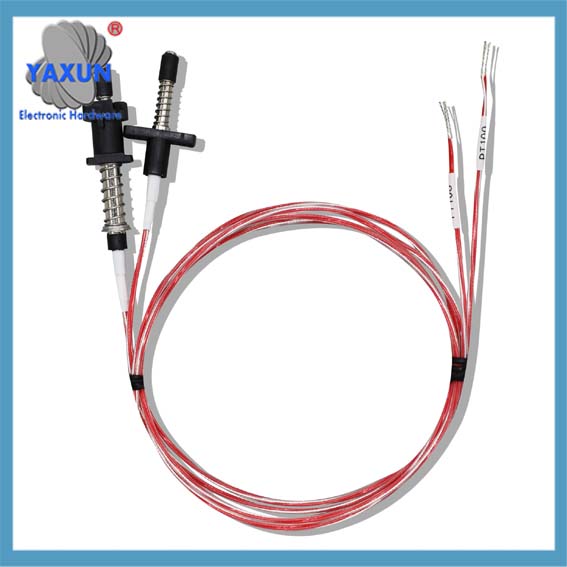
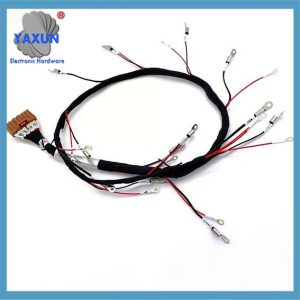 Sensori di temperatura NTC e PT100: terminali del cablaggio di rilevamento della temperatura della batteria |
Il diagramma seguente illustra il ruolo fondamentale e il flusso di lavoro operativo dei sensori NTC all'interno di un BMS:
diagramma di flusso TD
sottografo A [Livello di monitoraggio della temperatura]
A1[Implementazione del sensore NTC<fratello>(Celle/Moduli/Sbarre)]
FINE
sottografo B [Livello di controllo BMS]
B1[Controller principale BMS]
FINE
sottografo C [Livello di esecuzione della gestione termica]
C1[Sistemi di raffreddamento a liquido/aria]
C2[Controllo carica/scarica]
C3[Relè ad alta tensione]
FINE
A1 — “Dati sulla temperatura in tempo reale” –> B1
B1 — “Comandi di controllo” –> C1
B1 — “Comandi di controllo” –> C2
B1 — “Comandi di controllo” –> C3
C1 — “Eseguire il raffreddamento/riscaldamento” –> A1
🎯Funzione fondamentale: Logica di interoperabilità con il BMS
I sensori NTC sono responsabili della raccolta dei dati sulla temperatura, mentre il BMS utilizza questi dati per prendere decisioni intelligenti, stabilendo così un sistema di controllo a circuito chiuso:
Mantenimento delle condizioni operative ottimali (25–35°C): Il BMS ordina al sistema di raffreddamento/riscaldamento di funzionare a bassa potenza, garantire che la batteria funzioni entro l'intervallo di temperatura ottimale per salvaguardarne l'efficienza di carica/scarica e la durata del ciclo.
Regolazione della temperatura moderata (35–45°C): Con l'aumento delle temperature, il BMS aumenta in modo proattivo la potenza di dissipazione del calore e riduce la velocità di ricarica per evitare che temperature elevate accelerino il degrado della batteria.
Protezione dalle alte temperature (45–65°C e oltre): Se la temperatura supera una soglia di sicurezza (PER ESEMPIO., 60°C), il BMS attiva un allarme e limita la potenza di scarica; se supera un limite critico (PER ESEMPIO., 65°C), interrompe immediatamente il circuito ad alta tensione per prevenire la fuga termica.
Preriscaldamento a bassa temperatura (≤10°C): Il BMS attiva il sistema di riscaldamento; le normali operazioni di carica e scarica vengono riprese solo dopo che la temperatura della batteria è tornata entro un intervallo di sicurezza (PER ESEMPIO., superiore a 15°C), prevenendo così la placcatura al litio causata dalla carica a bassa temperatura, che possono danneggiare le celle della batteria.
📍 **Posizioni chiave di distribuzione e criteri di selezione**
I sensori NTC sono strategicamente distribuiti in più punti critici all'interno del pacco batteria per consentire un monitoraggio completo della temperatura.
| Posizione di distribuzione | Focus chiave del monitoraggio | Caratteristiche NTC consigliate |
|---|---|---|
| Superficie cellulare / Tab | Catturare le effettive fluttuazioni di temperatura delle singole celle della batteria funge da prima linea di difesa contro il surriscaldamento. | Alta precisione (PER ESEMPIO., ±0,1°C), risposta rapida (≤1 secondo), e ampio intervallo di temperature operative (-40da °C a 150 °C). |
| Divario del modulo / Piastra di raffreddamento a liquido | Il monitoraggio delle differenze di temperatura tra i moduli batteria aiuta il BMS a ottenere una dissipazione del calore equilibrata e a prevenire punti caldi localizzati. | Eccellente resistenza all'acqua (PER ESEMPIO., IP67) e cablaggio flessibile per una facile installazione. |
| Custodia per batteria / Ambiente | Il monitoraggio della temperatura ambiente interna del pacco batteria fornisce dati di riferimento critici per il processo decisionale a livello macro all’interno del sistema di gestione termica. | Dimensioni compatte (PER ESEMPIO., Pacchetto SMD) e resistenza alle interferenze elettromagnetiche (Emi). |
| Punto di connessione ad alta tensione | Il monitoraggio delle temperature dei componenti ad alta tensione, come relè e fusibili, aiuta a prevenire guasti da surriscaldamento causati da uno scarso contatto elettrico. | Intervallo di temperature di esercizio eccezionalmente ampio (PER ESEMPIO., -50da °C a 300 °C) e alta affidabilità. |
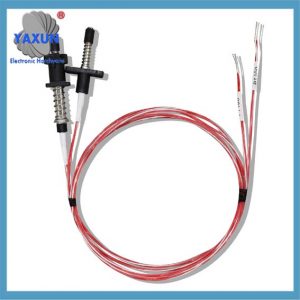
Sonde sensore di temperatura PT1000 e PT100 per batterie al litio
💡 **Strategie di ottimizzazione e nuove tecnologie**
Mentre la tecnologia si evolve, l'applicazione dei sensori NTC all'interno dei sistemi di gestione delle batterie (BMS) è in continua ottimizzazione:
**Ottimizzazione del posizionamento del sensore:** Gli studi lo hanno dimostrato utilizzando simulazioni CFD e ottimizzazione algoritmica per ottimizzare il numero e il posizionamento dei sensori, è possibile ridurre il conteggio dei sensori, ad esempio, da 40 fino a 20, senza compromettere la sicurezza. Questo approccio riduce efficacemente i costi e semplifica la disposizione dei cablaggi. Inoltre, tale posizionamento ottimizzato può ridurre i tempi di ricarica rapida 15% e aumenta di quasi l'energia disponibile della batteria 20% in ambienti a bassa temperatura, convalidando così in modo definitivo la superiorità di a “snello ma preciso” strategia di distribuzione.
**Progettazione integrata:** I sensori NTC vengono sempre più integrati direttamente nel Cell Connecting System (CCS) sbarre integrate, dove sono integrati insieme alle linee di rilevamento della tensione e della corrente. Questo design non solo migliora la densità di integrazione complessiva del pacco batteria e risparmia spazio, ma consente anche un monitoraggio più preciso delle fonti di calore.
**Elevata affidabilità e miniaturizzazione:** Per soddisfare i requisiti di livello automobilistico, i produttori hanno introdotto sensori NTC altamente affidabili, come la serie NCU di Murata, che presentano un ingombro approssimativo 80% più piccolo dei modelli precedenti, rendendoli ideali per circuiti integrati ad alta densità. Contemporaneamente, i sensori forniti da produttori come TE Connectivity utilizzano imballaggi in fluoroplastica resistenti all'olio e alle alte temperature, consentendo loro di resistere agli ambienti operativi difficili presenti nei motori elettrici e nei pacchi batteria.
**Considerazioni sulla sicurezza funzionale:** Nei progetti BMS di fascia alta, vengono utilizzati metodi di misurazione ridondanti e indipendenti. Ad esempio, confrontando le letture della temperatura ottenute da un circuito divisore di tensione NTC con quelle di un percorso indipendente (come una resistenza di spurgo), l'accuratezza dei dati di temperatura può essere convalidata in modo incrociato, soddisfacendo così i requisiti ASIL-D: il livello più elevato di integrità della sicurezza funzionale.
In sintesi, I sensori di temperatura NTC fungono da “finali nervosi” attraverso il quale un BMS rileva la batteria “temperatura corporea.” I loro dati di misurazione precisi e le strategie di implementazione continuamente ottimizzate sono fondamentali per ottenere una gestione termica efficiente, estendere la durata della batteria, e prevenire la fuga termica.
Se sei interessato ai metodi di montaggio specifici dei sensori NTC su particolari tipi di celle (PER ESEMPIO., cilindrico, prismatico, o celle a sacchetto), o se desideri approfondire i dettagli dei progetti di circuiti associati, Per favore, non esitate a farmelo sapere.