English
 Afrikaans
 العربية
 বাংলা
বাংলা bosanski jezik
 Български
 Català
 粤语
粤语 中文(简体)
 中文(漢字)
 Hrvatski
 Čeština
 Nederlands
 Eesti keel
 Suomi
Suomi Français
 Deutsch
 Ελληνικά
 हिन्दी; हिंदी
 Magyar
 Bahasa Indonesia
 Italiano
 日本語
日本語 한국어
한국어 Latviešu valoda
 Lietuvių kalba
 македонски јазик
 Bahasa Melayu
 Norsk
Norsk پارسی
پارسی Polski
 Português
 Română
 Русский
 Cрпски језик
 Slovenčina
 Slovenščina
 Español
 Svenska
 ภาษาไทย
 Türkçe
 Українська
 اردو
اردو Tiếng Việt
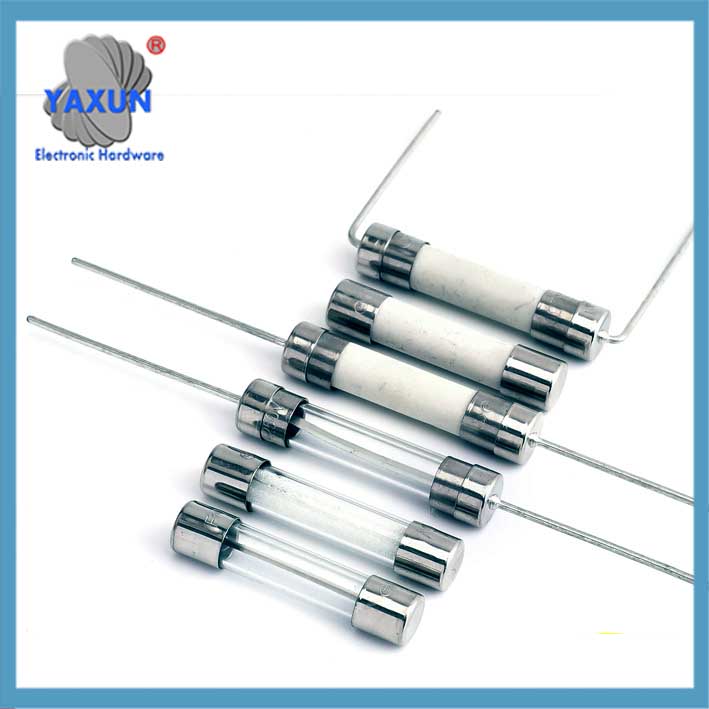
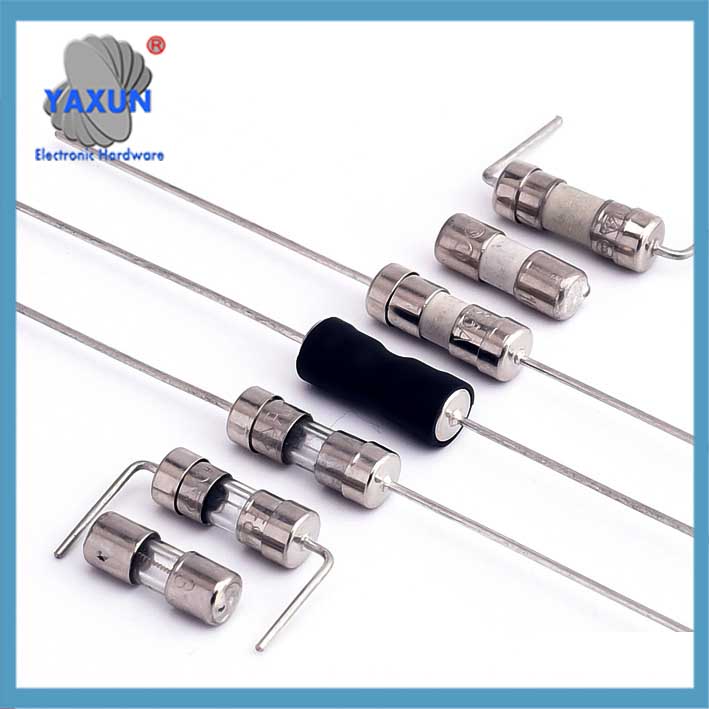
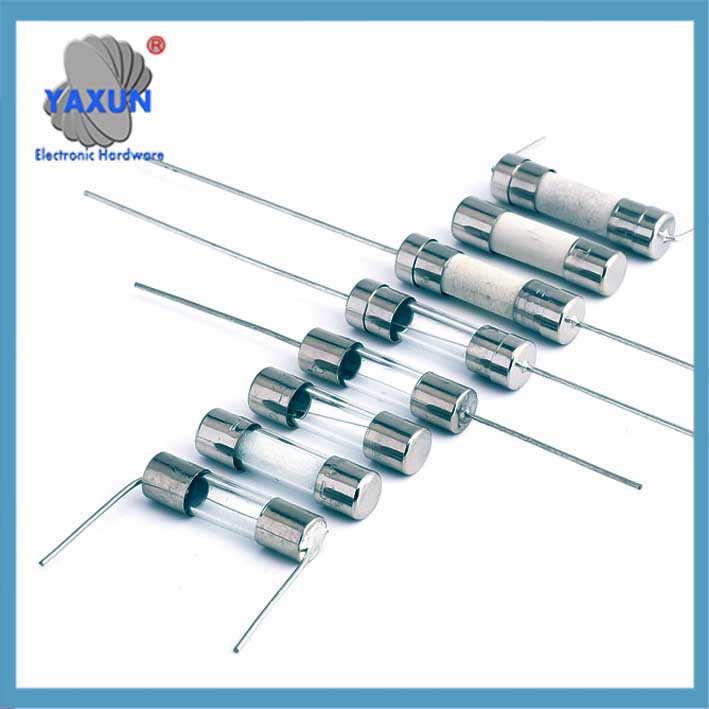

Overcurrent protection electrical fuse is a circuit protection device that cuts off abnormal current through a fusing mechanism. Its core function is to fuse when the current exceeds the rated value to protect the back-end equipment. The following is a detailed explanation of the classification and characteristics:
 6×30 ceramic fuse overcurrent protection device |
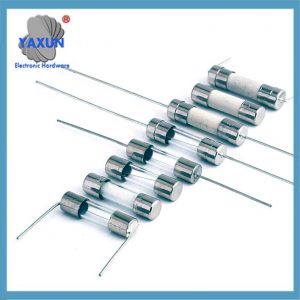 5×20 glass fuse overcurrent protection device |
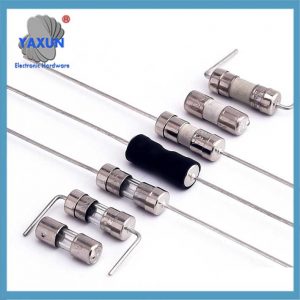 3.6×10 mm Cartridge Fuses for overcurrent protection |
Traditional fuse type fuse
काम के सिद्धांत:
When the current exceeds the limit, the metal melt melts due to the Joule heat effect and disconnects the circuit, which is a one-time protection device. The typical response time is in milliseconds, and short-circuit protection requires fast fusing (such as the glass tube fuse fusing time ≤40ms) . Fusible Link:
A fuse contains a small, conductive wire or strip (the fusible link) designed to melt or vaporize when the current flowing through it exceeds its rated capacity.
ओवरकरंट सुरक्षा:
This melting action opens the circuit, interrupting the flow of electricity and preventing further damage.
Single-Use:
Fuses are designed for one-time use and must be replaced after they interrupt the circuit.
विश्वसनीयता: Fuses are known for their reliability in interrupting overcurrents.
Cost-effectiveness: They are generally inexpensive compared to other overcurrent protection devices.
Simplicity: The design is simple, making them easy to understand and use.
Variety: Fuses come in various sizes, shapes, and current ratings to suit different applications.
प्रकार: Fuses are categorized into different classes (जैसे, एल, RK1, RK5, टी, जे, CC, वगैरह।) to address specific overcurrent scenarios and performance requirements.
Types and Structures Plug-in type: commonly used in automotive circuits, current 1-120A, divided into four specifications from ultra-small to large.
SMD type: एसएमडी पैकेजिंग, suitable for high-density PCB, containing quartz sand arc extinguishing medium.
Glass tube type: transparent shell is convenient for observing the fuse status, current 0.5-80A.
Key parameters Rated current/voltage: such as 250V/10A slow-break type, it needs to be derated according to 75% (यूएल मानक) या 90% (IEC standard) of the actual current.
Fusing characteristics: fast-break type (anti-short circuit) and slow-break type (anti-surge).
When are fuses used?
Branch circuits:
फ़्यूज़ का उपयोग आमतौर पर व्यक्तिगत सर्किट की सुरक्षा के लिए घरेलू और वाणिज्यिक विद्युत प्रणालियों में किया जाता है.
उपकरण सुरक्षा:
उनका उपयोग किसी उपकरण के भीतर विशिष्ट घटकों की सुरक्षा के लिए किया जा सकता है, जैसे ट्रांसफार्मर या सर्किट बोर्ड.
समय-विलंब और तेजी से कार्य करना:
फ़्यूज़ को समय-विलंब अनुप्रयोगों के लिए डिज़ाइन किया जा सकता है (जैसे, उच्च दबाव धाराओं के साथ आगमनात्मक भार के लिए) या तेजी से काम करने वाले अनुप्रयोग (जैसे, प्रतिरोधक भार के लिए).
स्व-रीसेटेबल फ़्यूज़ (स्वामी) क्रिया तंत्र
उच्च आणविक बहुलक और प्रवाहकीय कणों से बना है, ओवरकरंट होने पर गर्मी के कारण रेज़िन फैलता है, रास्ता रोक रहे हैं, और दोष समाप्त होने के बाद कम प्रतिरोध को बहाल करने के लिए ठंडा हो जाता है।1011. प्रतिक्रिया की गति वर्तमान तीव्रता के व्युत्क्रमानुपाती होती है (जैसे कि 0805 दूसरे स्तर की सुरक्षा का पैकेज).
पारंपरिक फ़्यूज़ की तुलना में
| विशेषताएँ | स्वामी | पारंपरिक फ्यूज़ |
|---|---|---|
| लचीलापन | स्वचालित रीसेट | मैन्युअल प्रतिस्थापन की आवश्यकता है |
| आंतरिक प्रतिरोध | कम प्रतिरोध (0.008Ω से प्रारंभ) | निचला (मिलिओम स्तर) |
| लागू परिदृश्य | हॉट-स्वैप इंटरफ़ेस, बैटरी सुरक्षा | उच्च विश्वसनीयता पावर इनपुट |
अतिवर्तमान परिदृश्यों के उदाहरण:
शॉर्ट सर्किट:
जब दो या दो से अधिक कंडक्टर सीधे संपर्क में आते हैं, धारा के लिए कम प्रतिरोध वाला पथ बनाना, शॉर्ट सर्किट होता है.
भार के:
जब किसी परिपथ पर लंबे समय तक उसकी क्षमता से अधिक धारा प्रवाहित होती है, इसे अतिभार माना जाता है.
ज़मीनी दोष:
जब बिजली एक जीवित तार से जमीन की ओर प्रवाहित होती है (धरती), इसे ग्राउंड फॉल्ट कहा जाता है.
चाप दोष:
ये खतरनाक विद्युत निर्वहन हैं जो तारों या विद्युत घटकों में हो सकते हैं.
सीमाएँ:
प्रतिस्थापन: फ़्यूज़ के उड़ने के बाद उन्हें बदलने की आवश्यकता होती है, जो असुविधाजनक हो सकता है.
रीसेट करने योग्य नहीं: सर्किट ब्रेकर के विपरीत, फ़्यूज़ को रीसेट और पुन: उपयोग नहीं किया जा सकता है.
हो सकता है उतना सटीक न हो: फ़्यूज़ कुछ सर्किट ब्रेकरों के समान धाराओं को बाधित करने में समान स्तर की सटीकता प्रदान नहीं कर सकते हैं.
निष्कर्ष के तौर पर, फ़्यूज़ विद्युत सुरक्षा का एक महत्वपूर्ण हिस्सा हैं, सर्किट और उपकरणों को ओवरकरंट के खतरों से बचाने के लिए एक विश्वसनीय और लागत प्रभावी तरीका प्रदान करना.