 English
 Afrikaans
 العربية
 বাংলা
বাংলা bosanski jezik
 Български
 Català
 粤语
粤语 中文(简体)
 中文(漢字)
 Hrvatski
 Čeština
 Nederlands
 Eesti keel
 Suomi
Suomi Français
 Deutsch
 Ελληνικά
 हिन्दी; हिंदी
 Magyar
 Bahasa Indonesia
 Italiano
 日本語
日本語 한국어
한국어 Latviešu valoda
 Lietuvių kalba
 македонски јазик
 Bahasa Melayu
 Norsk
Norsk پارسی
پارسی Polski
 Português
 Română
 Русский
 Cрпски језик
 Slovenčina
 Slovenščina
 Español
 Svenska
 ภาษาไทย
 Türkçe
 Українська
 اردو
اردو Tiếng Việt
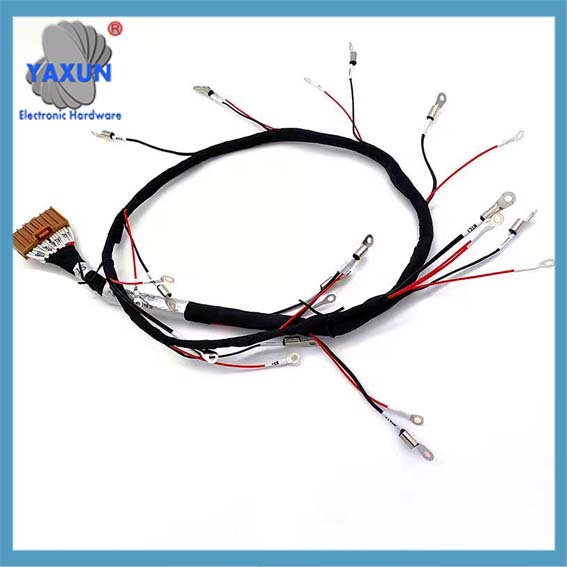
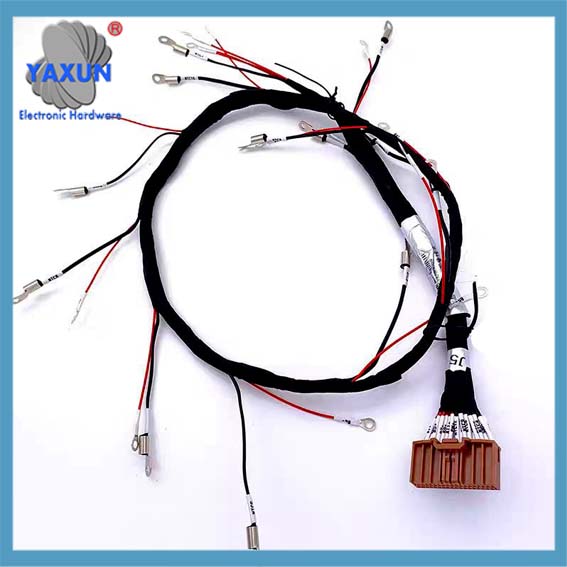
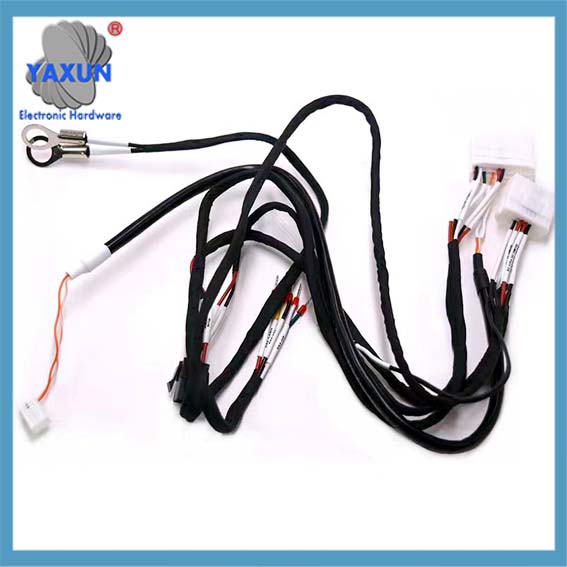

Trong hệ thống quản lý pin (BMS), NTC (Hệ số nhiệt độ âm) Cảm biến nhiệt độ đóng vai trò là thành phần cốt lõi để đạt được khả năng giám sát nhiệt độ và quản lý nhiệt chính xác. Đặc trưng bởi độ nhạy cao của chúng, chi phí thấp, và kích thước nhỏ gọn, chúng tạo thành một tuyến phòng thủ quan trọng để bảo vệ an toàn cho pin, hiệu suất, và tuổi thọ.
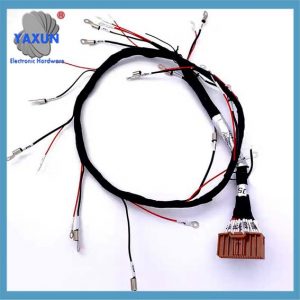 Năng lượng mới CCS Pin lưu trữ năng lượng Cảm biến nhiệt độ NTC |
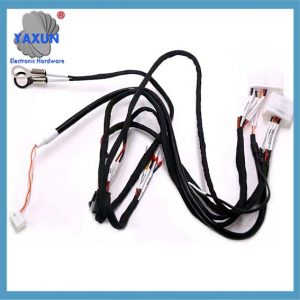 Điện áp pin & Thiết bị đầu cuối khai thác cảm biến nhiệt độ - Cảm biến nhiệt độ |
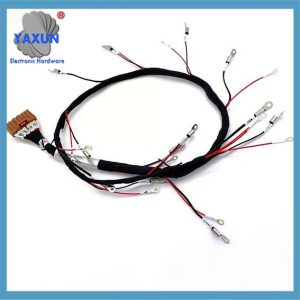 Cảm biến nhiệt độ NTC và PT100 — Thiết bị đầu cuối khai thác cảm biến nhiệt độ pin |
Sơ đồ bên dưới minh họa vai trò then chốt và quy trình vận hành của các cảm biến NTC trong BMS:
sơ đồ TD
đồ thị con A [Lớp giám sát nhiệt độ]
A1[Triển khai cảm biến NTC<anh>(Tế bào/Mô-đun/Thanh cái)]
kết thúc
đồ thị con B [Lớp điều khiển BMS]
B1[Bộ điều khiển chính BMS]
kết thúc
đồ thị con C [Lớp thực thi quản lý nhiệt]
C1[Hệ thống làm mát bằng chất lỏng/không khí]
C2[Kiểm soát sạc/xả]
C3[Rơle cao áp]
kết thúc
A1 — “Dữ liệu nhiệt độ thời gian thực” –> B1
B1 — “Lệnh điều khiển” –> C1
B1 — “Lệnh điều khiển” –> C2
B1 — “Lệnh điều khiển” –> C3
C1 — “Thực hiện Làm mát/Sưởi ấm” –> A1
🎯 Chức năng cốt lõi: Khả năng tương tác logic với BMS
Cảm biến NTC có nhiệm vụ thu thập dữ liệu nhiệt độ, trong khi BMS sử dụng dữ liệu này để đưa ra quyết định thông minh, từ đó thiết lập một hệ thống điều khiển vòng kín:
Duy trì điều kiện hoạt động tối ưu (25–35°C): BMS hướng dẫn hệ thống làm mát/sưởi ấm hoạt động ở mức điện năng thấp, đảm bảo pin hoạt động trong phạm vi nhiệt độ tối ưu để bảo vệ hiệu quả sạc/xả và tuổi thọ của pin.
Điều chỉnh nhiệt độ vừa phải (35–45°C): Khi nhiệt độ tăng, BMS chủ động tăng công suất tản nhiệt và giảm tốc độ sạc để ngăn nhiệt độ tăng cao làm tăng tốc độ xuống cấp của pin.
Bảo vệ nhiệt độ cao (45–65°C trở lên): Nếu nhiệt độ vượt quá ngưỡng an toàn (ví dụ., 60°C), BMS kích hoạt cảnh báo và hạn chế năng lượng xả; nếu nó vượt quá giới hạn tới hạn (ví dụ., 65°C), nó ngay lập tức cắt mạch điện áp cao để ngăn chặn sự thoát nhiệt.
Làm nóng sơ bộ ở nhiệt độ thấp (10°C): BMS kích hoạt hệ thống sưởi ấm; hoạt động sạc và xả bình thường chỉ được tiếp tục sau khi nhiệt độ pin tăng trở lại phạm vi an toàn (ví dụ., trên 15°C), do đó ngăn chặn việc mạ lithium do sạc ở nhiệt độ thấp, có thể làm hỏng tế bào pin.
📍 **Các địa điểm triển khai chính và tiêu chí lựa chọn**
Cảm biến NTC được triển khai một cách chiến lược tại nhiều vị trí quan trọng trong bộ pin để cho phép giám sát nhiệt độ toàn diện.
| Vị trí triển khai | Trọng tâm giám sát chính | Đặc điểm NTC được đề xuất |
|---|---|---|
| Bề mặt tế bào / Thẻ | Việc nắm bắt sự biến động nhiệt độ thực tế của từng tế bào pin đóng vai trò là tuyến phòng thủ đầu tiên chống lại hiện tượng quá nhiệt. | Độ chính xác cao (ví dụ., ±0,1°C), phản ứng nhanh (1 giây), và phạm vi nhiệt độ hoạt động rộng (-40°C đến 150°C). |
| Khoảng cách mô-đun / Tấm làm mát bằng chất lỏng | Giám sát chênh lệch nhiệt độ giữa các mô-đun pin hỗ trợ BMS đạt được khả năng tản nhiệt cân bằng và ngăn ngừa các điểm nóng cục bộ. | Khả năng chống nước tuyệt vời (ví dụ., IP67) và dây nối linh hoạt để lắp đặt dễ dàng. |
| Vỏ bọc pin / Môi trường xung quanh | Giám sát nhiệt độ môi trường bên trong của bộ pin cung cấp dữ liệu tham khảo quan trọng cho việc ra quyết định ở cấp độ vĩ mô trong hệ thống quản lý nhiệt. | Kích thước nhỏ gọn (ví dụ., Gói SMD) và khả năng chống nhiễu điện từ (EMI). |
| Điểm kết nối điện áp cao | Giám sát nhiệt độ của các bộ phận điện áp cao—chẳng hạn như rơle và cầu chì—giúp ngăn ngừa sự cố quá nhiệt do tiếp xúc điện kém. | Phạm vi nhiệt độ hoạt động đặc biệt rộng (ví dụ., -50°C đến 300°C) và độ tin cậy cao. |
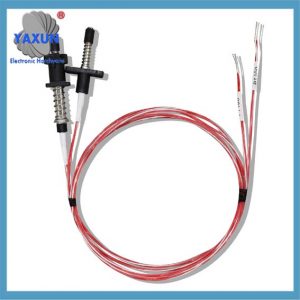
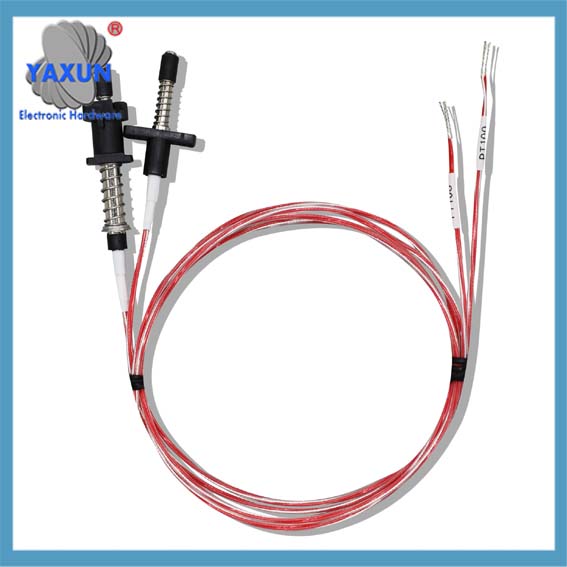
Đầu dò cảm biến nhiệt độ PT1000 và PT100 cho pin lithium
💡 **Chiến lược tối ưu hóa và công nghệ mới**
Khi công nghệ phát triển, ứng dụng cảm biến NTC trong Hệ thống quản lý pin (BMS) đang được tối ưu hóa liên tục:
**Tối ưu hóa vị trí cảm biến:** Các nghiên cứu đã chứng minh rằng bằng cách sử dụng mô phỏng CFD và tối ưu hóa thuật toán để tinh chỉnh số lượng và vị trí đặt cảm biến., có thể giảm số lượng cảm biến—ví dụ, từ 40 giảm xuống còn 20—mà không ảnh hưởng đến sự an toàn. Cách tiếp cận này giúp giảm chi phí một cách hiệu quả và đơn giản hóa việc bố trí dây điện. Hơn nữa, vị trí được tối ưu hóa như vậy có thể giảm thời gian sạc nhanh bằng cách 15% và tăng năng lượng sẵn có của bộ pin lên gần như 20% trong môi trường nhiệt độ thấp, từ đó xác nhận một cách thuyết phục tính ưu việt của một “gọn gàng nhưng chính xác” chiến lược triển khai.
**Thiết kế tích hợp:** Cảm biến NTC ngày càng được nhúng trực tiếp vào Hệ thống kết nối di động (CCS) thanh cái tích hợp, nơi chúng được tích hợp cùng với các đường dây cảm biến điện áp và dòng điện. Thiết kế này không chỉ nâng cao mật độ tích hợp tổng thể của bộ pin và tiết kiệm không gian mà còn cho phép giám sát nguồn nhiệt chính xác hơn.
**Độ tin cậy cao và thu nhỏ:** Để đáp ứng yêu cầu cấp ô tô, các nhà sản xuất đã giới thiệu các cảm biến NTC có độ tin cậy cao—chẳng hạn như dòng NCU của Murata—có dấu chân xấp xỉ 80% nhỏ hơn các mẫu trước đó, khiến chúng trở nên lý tưởng cho các bảng mạch tích hợp mật độ cao. Đồng thời, cảm biến do các nhà sản xuất như TE Connectivity cung cấp sử dụng bao bì nhựa dẻo chịu dầu và chịu nhiệt độ cao, cho phép chúng chịu được môi trường hoạt động khắc nghiệt có trong động cơ điện và bộ pin.
**Cân nhắc về an toàn chức năng:** Trong các thiết kế BMS cao cấp, phương pháp đo dự phòng và độc lập được sử dụng. Ví dụ, bằng cách so sánh số đọc nhiệt độ thu được từ mạch chia điện áp NTC với số đọc từ đường dẫn độc lập (chẳng hạn như một điện trở chảy máu), độ chính xác của dữ liệu nhiệt độ có thể được xác nhận chéo, do đó đáp ứng các yêu cầu đối với ASIL-D—mức độ toàn vẹn về an toàn chức năng cao nhất.
Tóm lại, Cảm biến nhiệt độ NTC đóng vai trò là “đầu dây thần kinh” thông qua đó BMS cảm nhận được pin “nhiệt độ cơ thể.” Dữ liệu đo lường chính xác và chiến lược triển khai được tối ưu hóa liên tục của họ là yếu tố then chốt để đạt được khả năng quản lý nhiệt hiệu quả, kéo dài tuổi thọ pin, và ngăn chặn sự thoát nhiệt.
Nếu bạn quan tâm đến các phương pháp lắp đặt cụ thể cho cảm biến NTC trên các loại tế bào cụ thể (ví dụ., hình trụ, lăng trụ, hoặc tế bào túi), hoặc nếu bạn muốn đi sâu vào chi tiết của các thiết kế mạch liên quan, Xin vui lòng cho tôi biết.