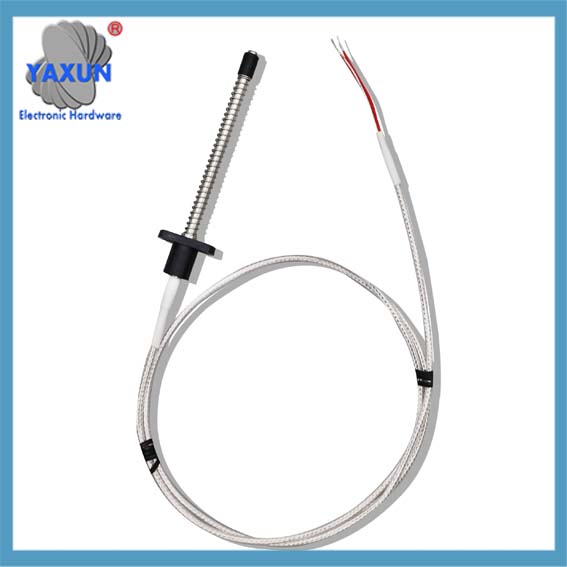
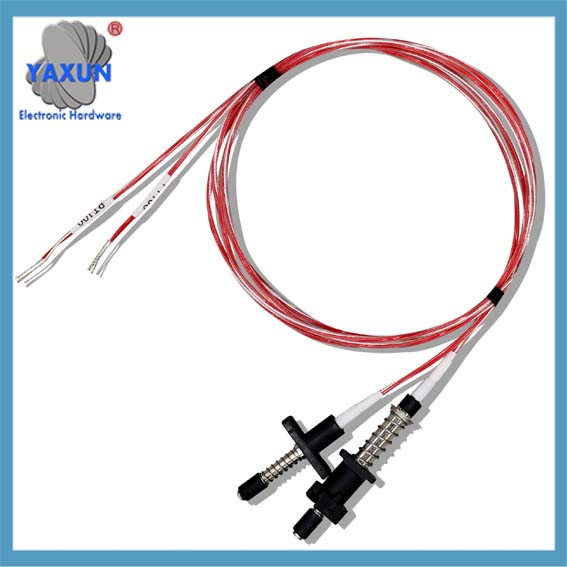
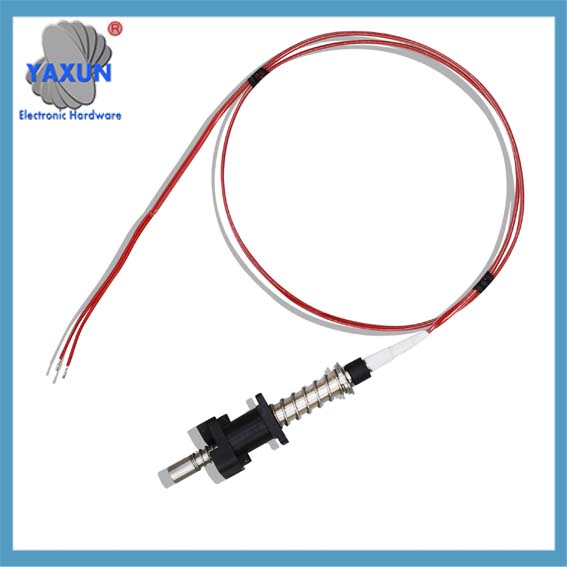
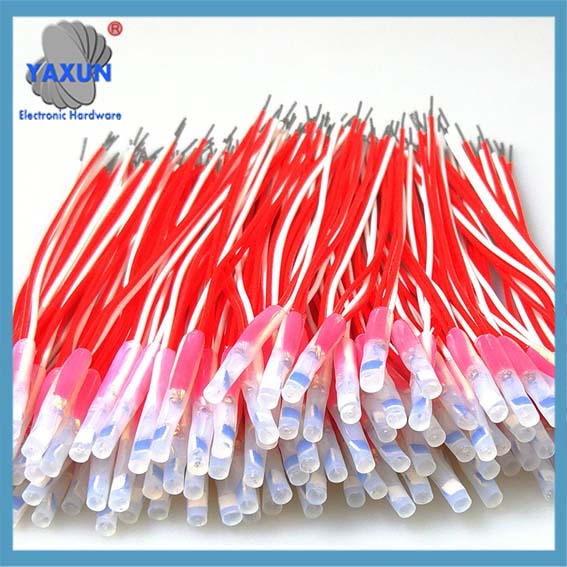
PT100 і PT1000 є платиновими резистивними датчиками температури. Принцип їх дії заснований на тому, що електричний опір платинового дроту збільшується з підвищенням температури. (тобто, Позитивний температурний коефіцієнт, або PTC). Обидва пропонують такі переваги, як висока точність і відмінна стабільність.
Їх найбільш принципова відмінність полягає в номінальному значенні опору при 0°C: PT100 має опір 100 Ом, тоді як PT1000 має опір 1000 Ом. Ця, здавалося б, незначна різниця призводить до чітких акцентів щодо їхніх характеристик продуктивності та застосовних сценаріїв.
📊 Порівняння основних відмінностей у продуктивності
| характеристики |
PT100 |
PT1000 |
Вплив на використання літій-іонних акумуляторів |
| Стійкість при 0°C |
100 ох |
1000 ох |
Основне джерело всіх наступних відмінностей продуктивності. |
| Чутливість |
прибл. 0.385 Ω/°C |
прибл. 3.85 Ω/°C (10 разів вище) |
PT1000 демонструє більш виражену варіацію сигналу та більш чутливий до незначних температурних коливань. |
| Перешкодостійкість |
Низький (Значний вплив опору свинцю) |
Сильний (Мінімальний вплив опору свинцю) |
PT1000 краще підходить для проводки BMS із використанням довших проводів; це дозволяє використовувати стандартну двопровідну конфігурацію, тим самим зменшуючи витрати. |
| Енергоспоживання та самонагрівання |
Високий (Потрібен більший струм збудження) |
Нижній (Потрібен менший струм) |
PT1000 створює мінімальне самонагрівання, що призводить до більш точних вимірювань — критично важливий фактор у сценаріях із низьким енергоспоживанням, таких як акумуляторні блоки. |
| Типова точність |
Високий (напр., клас А: ±0,15°C) |
Високий (напр., клас А: ±0,15°C) |
Обидва типи здатні досягти високого рівня точності та відповідати вимогам додатків BMS. |
| Вартість і поширеність |
Галузевий стандарт, низька вартість, широко прийнятий |
Трохи вища вартість; зростання популярності |
PT100 частіше зустрічається в традиційних промислових системах керування. |
🔍 Як вибрати літієву батарею?
У практичних системах керування акумулятором (BMS) і середовища тестування акумулятора, PT1000 стає все більш поширеним. Цю тенденцію зумовлюють її переваги в наступних ключових сферах:
Перевага 1: Сильна перешкодостійкість і спрощена конструкція: Швидкість зміни опору в PT1000 в десять разів перевищує швидкість у PT100. Це означає, що опір властивий самим з'єднувальним проводам (зазвичай десятки міліом на метр) вносить лише одну десяту від загальної похибки вимірювання порівняно з PT100. Отже, у додатках BMS, що включають довгу проводку, PT1000 може використовувати просту двопровідну схему підключення, в той час як PT100 вимагатиме більш складної трьох- або чотирьохпровідної конфігурації для компенсації похибок опору проводів.
Перевага 2: Низьке енергоспоживання та придушення ефекту самонагрівання: Енергоспоживання PT1000 значно нижче, ніж у PT100. У контексті керування акумулятором, це означає, що сам датчик генерує мінімальне тепло, тим самим запобігаючи цьому “неправдиве повідомлення” підвищена температура; крім того, його низьке енергоспоживання сприяє зниженню загального споживання енергії в BMS.
Перевага 3: Придатність для технологій внутрішнього вбудовування нового покоління: Сучасна передова технологія передбачає вбудовування датчиків PT1000 безпосередньо в літієві батареї, уможливлюючи реальний моніторинг внутрішньої батареї в реальному часі “температура ядра.”
Перевірка продуктивності: Дослідження, проведене в 2025 підтвердив, що коли мікросенсори PT1000 були вбудовані безпосередньо в анод батареї, швидкість збереження ємності акумулятора — після 300 цикли заряду-розряду — відрізняються від циклів стандартної батареї лише 0.75%, демонструючи незначний вплив на електрохімічні характеристики. Вражаюче відкриття: Імплантований датчик PT1000 виявив, що коли батарею нагрівають ззовні до 120°C, його фактична внутрішня температура становила лише 104,6°C, що призвело до різниці між температурами всередині та зовні до 15°C. Це переконливо демонструє значну затримку вимірювань, властиву зовнішнім датчикам, тим самим підкреслюючи критичне значення PT1000 для точного моніторингу.
💡 Як вибрати?
Взагалі кажучи, при виборі між PT100 і PT1000, наступні принципи можуть служити керівництвом:
Надайте пріоритет PT1000: Для більшості нещодавно розроблених систем керування акумулятором (BMS), обладнання для тестування акумуляторної батареї, і додатки, де висока точність і низьке енергоспоживання є першочерговими, PT1000 зазвичай є кращим вибором. Це ефективно спрощує проектування схеми та забезпечує більш надійні дані вимірювань.
Сценарії вибору PT100: Якщо ваша система вимагає сумісності з великою встановленою базою існуючого промислового обладнання (наприклад певні ПЛК або контролери температури, які підтримують входи PT100), або якщо ви дуже чутливі до витрат, PT100 залишається надійним варіантом завдяки своєму статусу галузевого стандарту та нижчій вартості.
🛠️ Допоміжні схеми та інструменти
Незалежно від того, який датчик ви виберете, вам знадобляться супровідні схеми або модулі для читання сигналів:
Спеціальні модулі вимірювання температури: Зрілі модулі легко доступні на ринку, такі як ZAM6228, які підтримують пряме підключення 8 канали 3-провідних датчиків PT100. Забезпечує точність вимірювання ±0,1°C і роздільну здатність 0,01°C, ці модулі ідеально підходять для багатоканальних шаф для тестування акумуляторів.
Системи тестування акумуляторів: Професійні виробники обладнання для тестування акумуляторів, такі як Arbin, також пропонують спеціальні модулі PT100 RTD. У цих модулях використовуються високоточні 4-провідні методи вимірювання, досягнення модульної точності ±0,1°C.
Ви зараз розробляєте схему BMS або проводите тестування батареї?? Якщо це новий проект, Я настійно рекомендую вибрати безпосередньо PT1000, щоб спростити конструкцію завадостійкості; проте, якщо вимогою є сумісність із застарілим обладнанням, вибір PT100 був би більш розумним вибором. Чи хочете ви, щоб я надав додаткові відомості щодо конкретної конструкції схеми отримання сигналу??
 English
 Afrikaans
 العربية
 বাংলা
বাংলা bosanski jezik
 Български
 Català
 粤语
粤语 中文(简体)
 中文(漢字)
 Hrvatski
 Čeština
 Nederlands
 Eesti keel
 Suomi
Suomi Français
 Deutsch
 Ελληνικά
 हिन्दी; हिंदी
 Magyar
 Bahasa Indonesia
 Italiano
 日本語
日本語 한국어
한국어 Latviešu valoda
 Lietuvių kalba
 македонски јазик
 Bahasa Melayu
 Norsk
Norsk پارسی
پارسی Polski
 Português
 Română
 Русский
 Cрпски језик
 Slovenčina
 Slovenščina
 Español
 Svenska
 ภาษาไทย
 Türkçe
 Українська
 اردو
اردو Tiếng Việt