 English
 Afrikaans
 العربية
 বাংলা
বাংলা bosanski jezik
 Български
 Català
 粤语
粤语 中文(简体)
 中文(漢字)
 Hrvatski
 Čeština
 Nederlands
 Eesti keel
 Suomi
Suomi Français
 Deutsch
 Ελληνικά
 हिन्दी; हिंदी
 Magyar
 Bahasa Indonesia
 Italiano
 日本語
日本語 한국어
한국어 Latviešu valoda
 Lietuvių kalba
 македонски јазик
 Bahasa Melayu
 Norsk
Norsk پارسی
پارسی Polski
 Português
 Română
 Русский
 Cрпски језик
 Slovenčina
 Slovenščina
 Español
 Svenska
 ภาษาไทย
 Türkçe
 Українська
 اردو
اردو Tiếng Việt
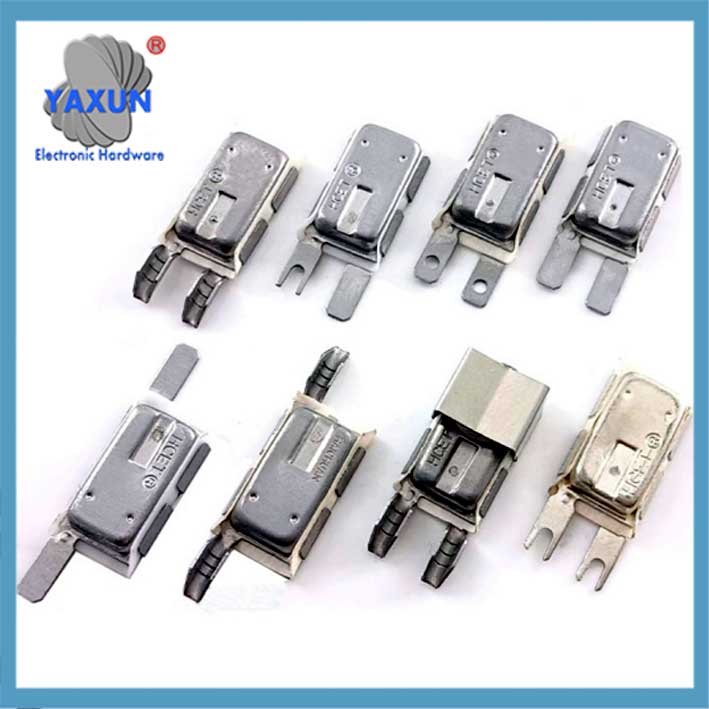
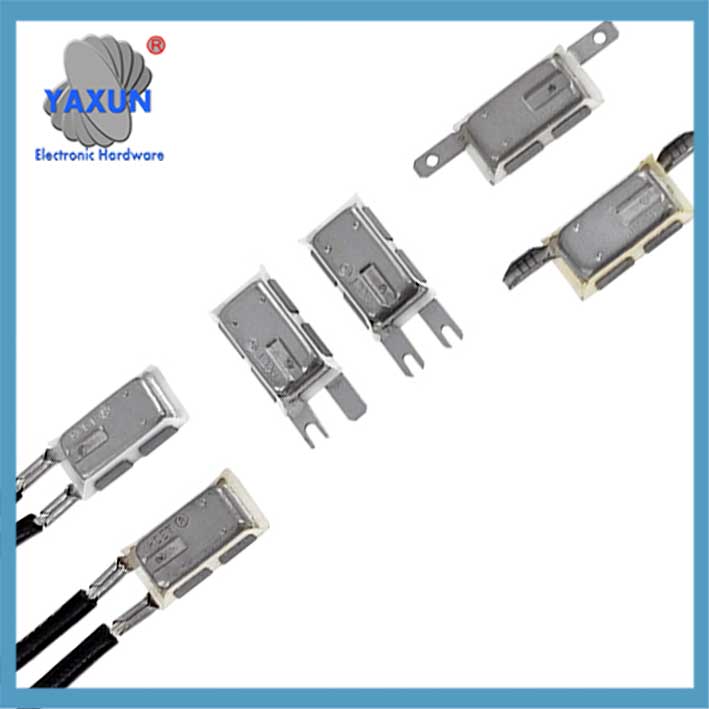
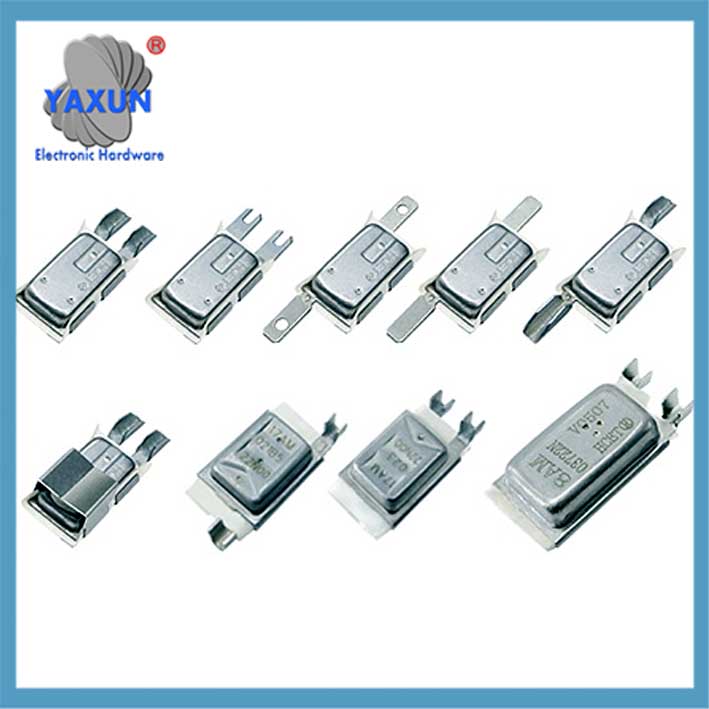
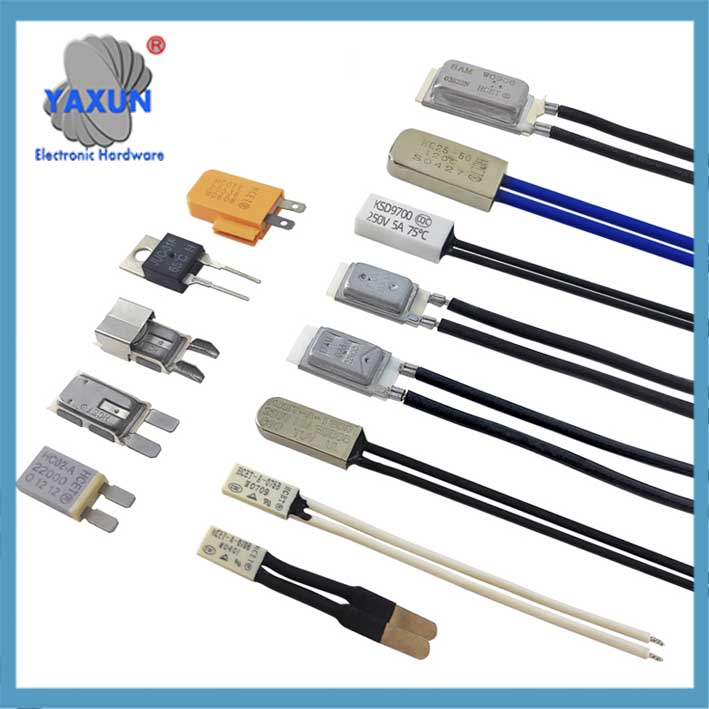
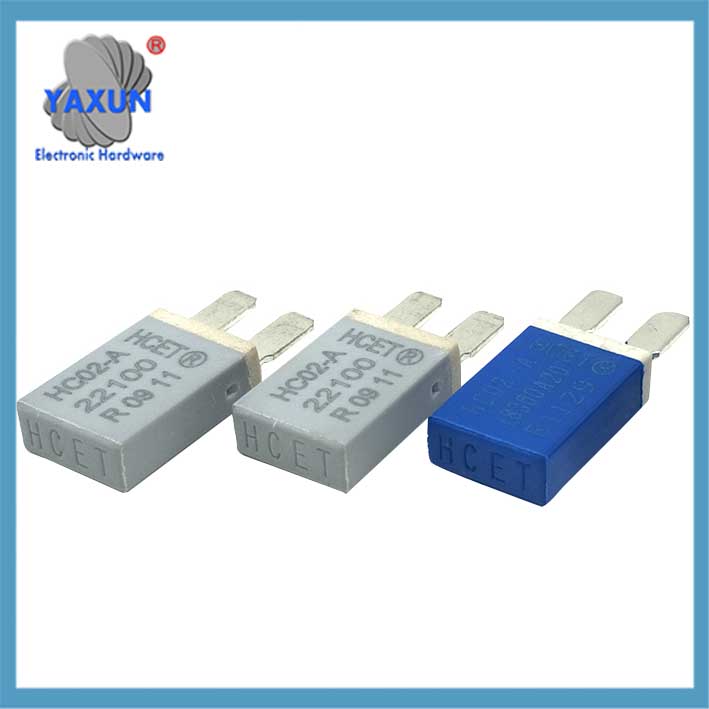
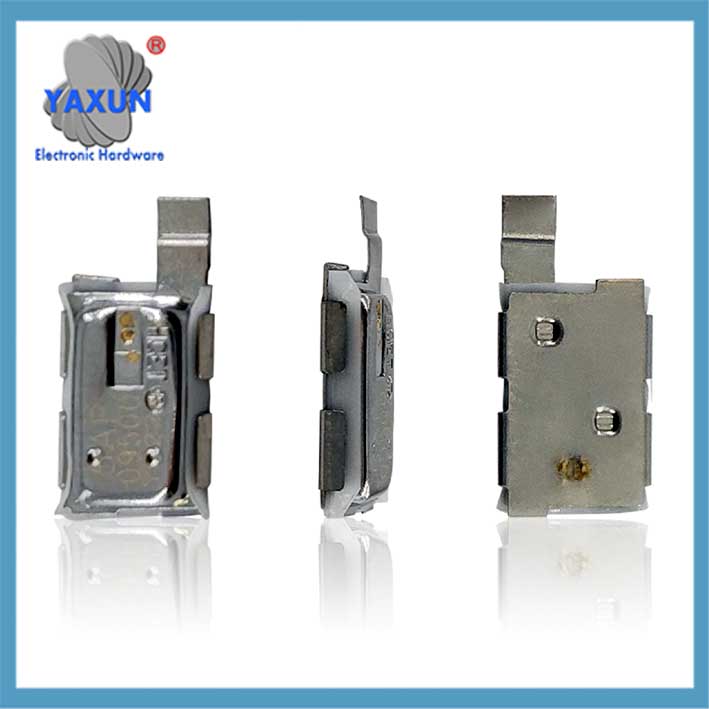

Il protettore termico del motore è un dispositivo di protezione che interrompe automaticamente il circuito in caso di variazioni di temperatura o corrente. La funzione principale è impedire che il motore venga danneggiato dal surriscaldamento, sovraccarico o stallo. Di seguito i punti chiave:
 Protezione da sovraccarico e surriscaldamento del motore del tergicristallo per auto 6AP |
 17Protezione termica motore AM Sensore termostato NC normalmente chiuso KLIXON 17AM022 |
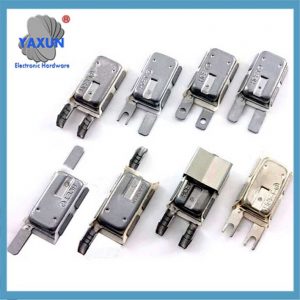 Opzioni di protezione da sovraccarico termico per piccoli motori elettrici & Motoriduttori |
⚙️ 1. Principio di funzionamento fondamentale
Struttura a strisce bimetalliche: È composto da due nastri metallici con diversi coefficienti di dilatazione termica. Quando la temperatura aumenta, the metal strips bend and deform due to the expansion difference, triggering the mechanical linkage to cut off the circuit; it automatically resets and resumes conduction after the temperature drops.
Current-temperature dual response: Alcuni modelli (such as three-phase thermal protectors) monitor current overload and winding temperature at the same time. When overloaded, the circuit is quickly cut off within 4-10 seconds to avoid stall damage.
Come funziona:
Overheating Detection:
Thermally protected motors typically use temperature sensors, such as PTC thermistors or KTY sensors, which are embedded within the motor windings. These sensors monitor the temperature of the motor and send signals to a thermal protection device.
Power Cutoff:
When the motor’s temperature rises beyond the safe limit, the thermal protection device, which can be a bimetallic switch or a similar mechanism, disconnects the power supply, shutting down the motor.
Automatic Restart:
After the motor cools down, the thermal protection device typically resets, allowing the motor to be restarted manually or automatically.
Vantaggi:
Prevents Damage:
Thermal protection helps prevent overheating, which can lead to damage to the motor’s insulation, windings, and other components.
Extends Lifespan:
Prevenendo il surriscaldamento, thermal protection contributes to a longer lifespan for the motor.
Sicurezza:
It minimizes the risk of fire or other hazards caused by motor overheating.
🔍 2. Main types and technological evolution
| Tipo | Principio di lavoro | Caratteristiche | Scenari applicabili |
| Bimetallic thermal protector | Temperature-triggered metal sheet bending | Simple structure, basso costo, ripristino automatico, but accuracy is affected by material ratio | Household appliance motors, small industrial motors |
| Electronic protector | Chip detection current/temperature signal | Alta precisione, programmable protection curve, support remote monitoring, but requires a matching controller | Intelligent industrial equipment, precision motors |
| Three-phase thermal protector | Comprehensive current overload and overheating protection | Support 0.55kW-75kW motors, strong resistance to polluted environments, can replace the traditional “thermal relay + contactor” solution | Motori industriali, pompe sommergibili |
Nota: Tianyin Electromechanical’s patented technology significantly improves response reliability by optimizing the combined structure of bimetallic strips (such as adding overcurrent protection components).
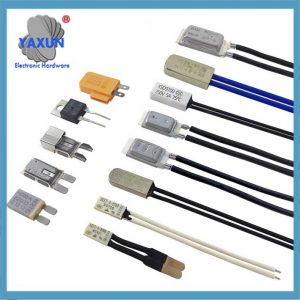 Protezione termica del motore elettrico con IP54 Tolleranza alla temperatura IP55 ± 5o C – Interruttore termico, |
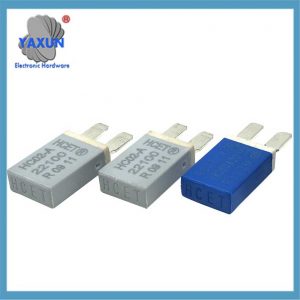 6Protezione da sovraccarico termico elettrico di alta qualità AP/3MP per motore frullatore |
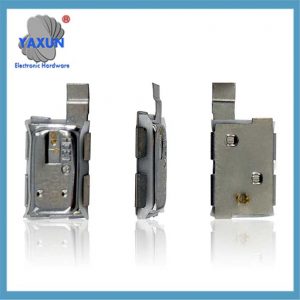 5Sovracorrente AP/2MP 50℃-180℃, protettore termico del motore contro il surriscaldamento |
📌 3. Key selection parameters
| Parametri | Requisiti | Base |
| Temperatura d'azione | 40°C–170°C (customized according to motor insulation level) | Need to match the motor winding temperature limit |
| Corrente nominale | 2A–20A (selected according to motor power) | Prevent false triggering or protection failure |
| Reset mode | Ripristino automatico/ripristino manuale | Automatic reset is suitable for refrigerators and fans; manual reset is used for high-risk scenarios |
| Certification standards | TS16949、UL、CE(EN 60730-2-2) | Mandatory safety and environmental protection requirements |
⚠️ 4. Precauzioni per l'uso
Installation specifications:
The lead bending must be more than 6mm away from the root to avoid damage and poor contact;
After high-temperature welding, it must be cooled for more than 30 seconds to prevent the protector from being damaged by heat.
Adattabilità ambientale:
Avoid using non-sealed protectors (such as traditional contactors) in highly polluted environments;
Regularly check the fatigue and aging of bimetallic strips and replace them in combination with the equipment maintenance cycle.
Function conflict avoidance:
Automotive motors with anti-pinch function need to adopt software temperature control solutions to avoid hardware protectors interfering with obstacle detection.
♻️ 5. Troubleshooting
Common reasons why the motor burns but the protector does not operate:
Wiring error: The protector is not connected in series in the main circuit of the motor;
Set value is too high: The action temperature or current threshold setting exceeds the motor tolerance range;
Response delay: The bimetal strip requires heat accumulation time and cannot cope with instantaneous short-circuit faults.
It is recommended to give priority to products that have passed the short-circuit test (Clause 18.101) specified in the GB/T 14536.3-2022 standard to ensure reliability under extreme working conditions.