 English
 Afrikaans
 العربية
 বাংলা
বাংলা bosanski jezik
 Български
 Català
 粤语
粤语 中文(简体)
 中文(漢字)
 Hrvatski
 Čeština
 Nederlands
 Eesti keel
 Suomi
Suomi Français
 Deutsch
 Ελληνικά
 हिन्दी; हिंदी
 Magyar
 Bahasa Indonesia
 Italiano
 日本語
日本語 한국어
한국어 Latviešu valoda
 Lietuvių kalba
 македонски јазик
 Bahasa Melayu
 Norsk
Norsk پارسی
پارسی Polski
 Português
 Română
 Русский
 Cрпски језик
 Slovenčina
 Slovenščina
 Español
 Svenska
 ภาษาไทย
 Türkçe
 Українська
 اردو
اردو Tiếng Việt
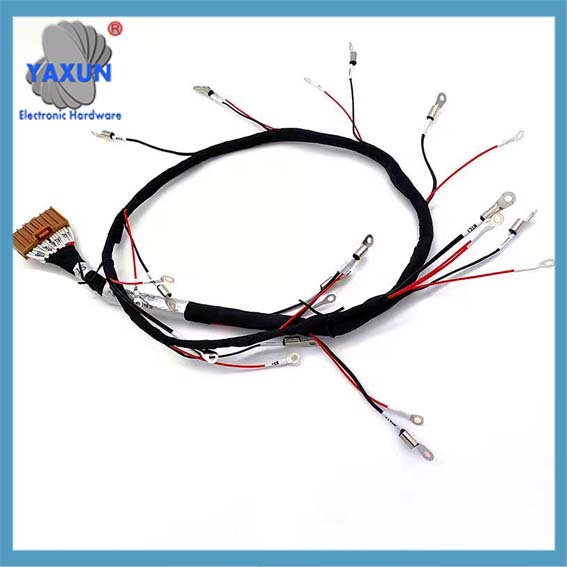
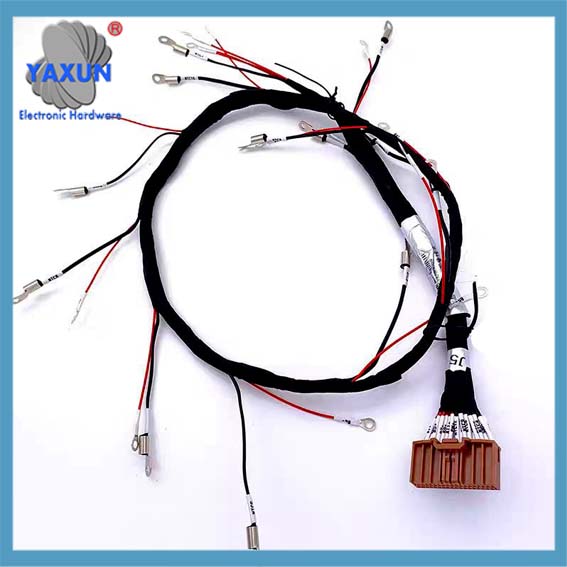
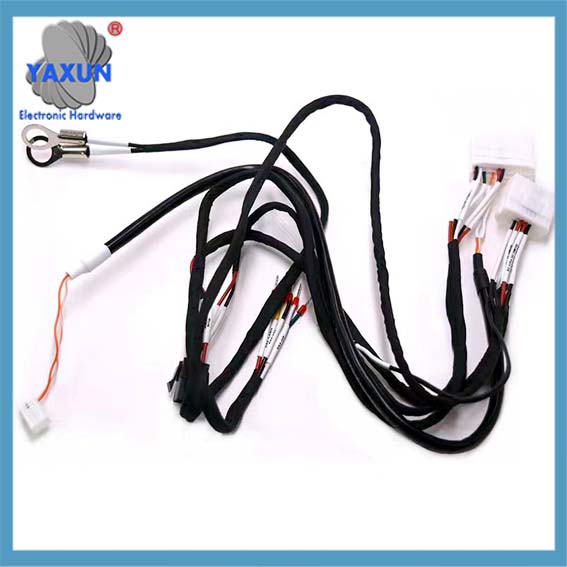

در سیستم های مدیریت باتری (BMS), NTC (ضریب دمایی منفی) سنسورهای دما به عنوان اجزای اصلی برای دستیابی به نظارت دقیق دما و مدیریت حرارتی عمل می کنند. با حساسیت بالای آنها مشخص می شود, کم هزینه, و اندازه جمع و جور, آنها یک خط دفاعی حیاتی برای حفاظت از ایمنی باتری را تشکیل می دهند, عملکرد, و طول عمر.
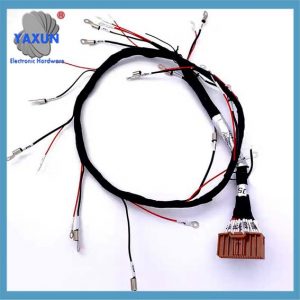 سنسور دمای NTC باتری ذخیره انرژی جدید انرژی CCS |
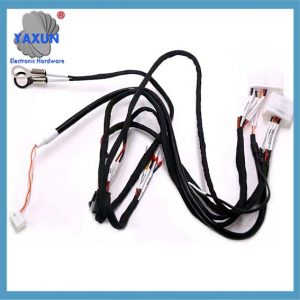 ولتاژ باتری & پایانه های مهار سنسور دما - سنسور دما |
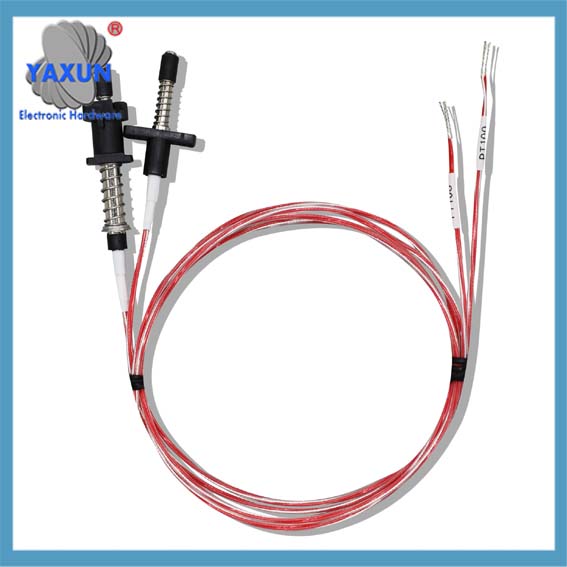
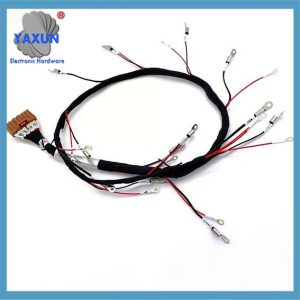 سنسورهای دما NTC و PT100 - پایانههای مهار سنسور دمای باتری |
نمودار زیر نقش محوری و گردش کار عملیاتی حسگرهای NTC در یک BMS را نشان می دهد.:
فلوچارت TD
زیرگراف A [لایه مانیتورینگ دما]
A1[استقرار سنسور NTC<br>(سلول ها / ماژول ها / گذرگاه ها)]
پایان
زیرگراف B [لایه کنترل BMS]
B1[کنترل کننده اصلی BMS]
پایان
زیرگراف ج [لایه اجرایی مدیریت حرارتی]
C1[سیستم های خنک کننده مایع/هوا]
C2[کنترل شارژ/تخلیه]
C3[رله های ولتاژ بالا]
پایان
A1 — “داده های دما در زمان واقعی” –> B1
B1 — “دستورات کنترل” –> C1
B1 — “دستورات کنترل” –> C2
B1 — “دستورات کنترل” –> C3
C1 — “سرمایش/گرمایش را اجرا کنید” –> A1
🎯 عملکرد اصلی: منطق تعامل با BMS
حسگرهای NTC مسئول جمع آوری داده های دما هستند, در حالی که BMS از این داده ها برای تصمیم گیری هوشمندانه استفاده می کند, بدین ترتیب یک سیستم کنترل حلقه بسته ایجاد می شود:
حفظ شرایط عملیاتی بهینه (25-35 درجه سانتی گراد): BMS به سیستم سرمایش/گرمایش دستور می دهد تا با توان کم کار کند, اطمینان از عملکرد باتری در محدوده دمایی بهینه خود برای محافظت از راندمان شارژ/دشارژ و عمر چرخه آن.
تنظیم دمای متوسط (35-45 درجه سانتی گراد): با افزایش دما, BMS به طور فعال قدرت اتلاف گرما را افزایش می دهد و نرخ شارژ را کاهش می دهد تا از تسریع تخریب باتری در دمای بالا جلوگیری کند..
حفاظت در برابر دمای بالا (45-65 درجه سانتیگراد و بالاتر): اگر دما از آستانه ایمنی فراتر رود (به عنوان مثال, 60درجه سانتیگراد), BMS یک زنگ هشدار ایجاد می کند و قدرت تخلیه را محدود می کند; اگر از حد بحرانی تجاوز کند (به عنوان مثال, 65درجه سانتیگراد), بلافاصله مدار ولتاژ بالا را برای جلوگیری از فرار حرارتی قطع می کند.
پیش گرمایش در دمای پایین (≤10 درجه سانتی گراد): BMS سیستم گرمایش را فعال می کند; عملیات شارژ و دشارژ معمولی تنها پس از افزایش دمای باتری به محدوده ایمن از سر گرفته می شود (به عنوان مثال, بالای 15 درجه سانتی گراد), بنابراین از آبکاری لیتیوم ناشی از شارژ در دمای پایین جلوگیری می کند, که می تواند به سلول های باتری آسیب برساند.
📍 **محل استقرار کلیدی و معیارهای انتخاب**
حسگرهای NTC به طور استراتژیک در چندین مکان حیاتی در بسته باتری مستقر شده اند تا نظارت جامع دما را امکان پذیر کنند..
| مکان استقرار | تمرکز اصلی نظارت | ویژگی های توصیه شده NTC |
|---|---|---|
| سطح سلولی / Tab | ثبت نوسانات دمای واقعی سلول های باتری به عنوان اولین خط دفاع در برابر گرمای بیش از حد عمل می کند.. | دقت بالا (به عنوان مثال, ± 0.1 درجه سانتیگراد), پاسخ سریع (≤1 ثانیه), و محدوده دمای عملیاتی گسترده (-40درجه سانتی گراد تا 150 درجه سانتی گراد). |
| شکاف ماژول / صفحه خنک کننده مایع | نظارت بر تفاوت دما بین ماژول های باتری به BMS در دستیابی به اتلاف گرمای متعادل و جلوگیری از نقاط داغ موضعی کمک می کند.. | مقاومت عالی در برابر آب (به عنوان مثال, IP67) و دسته سیم انعطاف پذیر برای نصب آسان. |
| محفظه بسته باتری / محیط | نظارت بر دمای محیط داخلی بسته باتری داده های مرجع حیاتی را برای تصمیم گیری در سطح کلان در سیستم مدیریت حرارتی فراهم می کند.. | اندازه جمع و جور (به عنوان مثال, بسته SMD) و مقاومت در برابر تداخل الکترومغناطیسی (EMI). |
| نقطه اتصال ولتاژ بالا | نظارت بر دمای اجزای ولتاژ بالا - مانند رله ها و فیوزها - به جلوگیری از خرابی بیش از حد ناشی از تماس الکتریکی ضعیف کمک می کند.. | محدوده دمای عملیاتی فوق العاده وسیع (به عنوان مثال, -50درجه سانتی گراد تا 300 درجه سانتی گراد) و قابلیت اطمینان بالا. |
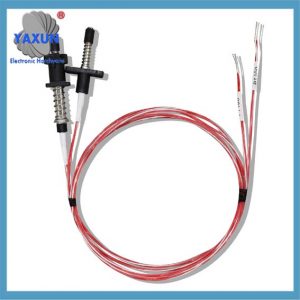
پروب های سنسور دما PT1000 و PT100 برای باتری های لیتیومی
💡 **راهبردهای بهینه سازی و فناوری های نوین**
همانطور که تکنولوژی تکامل می یابد, استفاده از حسگرهای NTC در سیستم های مدیریت باتری (BMS) در حال بهینه سازی مداوم است:
**بهینه سازی قرارگیری سنسور:** مطالعات نشان دادهاند که با استفاده از شبیهسازیهای CFD و بهینهسازی الگوریتمی برای تنظیم دقیق تعداد و قرارگیری حسگرها, برای مثال می توان تعداد سنسورها را کاهش داد, از 40 تا 20 - بدون به خطر انداختن ایمنی. این رویکرد به طور موثر هزینه ها را کاهش می دهد و طرح بندی مهار سیم ها را ساده می کند. علاوه بر این, چنین قرارگیری بهینه می تواند زمان شارژ سریع را کاهش دهد 15% و انرژی در دسترس بسته باتری را تقریباً افزایش دهید 20% در محیط های با دمای پایین, بدین ترتیب برتری a “لاغر و در عین حال دقیق” استراتژی استقرار.
**طراحی یکپارچه:** حسگرهای NTC به طور فزاینده ای مستقیماً در سیستم اتصال سلولی تعبیه می شوند (CCS) باسبارهای یکپارچه, جایی که آنها در کنار خطوط سنجش ولتاژ و جریان ادغام می شوند. این طراحی نه تنها چگالی یکپارچه سازی کلی بسته باتری را افزایش می دهد و فضا را حفظ می کند، بلکه نظارت دقیق تری بر منابع گرما را امکان پذیر می کند..
**قابلیت اطمینان بالا و کوچک سازی:** برای برآوردن الزامات کلاس خودرو, سازندگان حسگرهای بسیار قابل اعتماد NTC را معرفی کرده اند - مانند سری NCU موراتا - که تقریباً دارای ردپایی هستند. 80% کوچکتر از مدل های قبلی, آنها را برای بردهای مدار مجتمع با چگالی بالا مناسب می کند. همزمان, حسگرهای ارائه شده توسط سازندگانی مانند TE Connectivity از بسته بندی فلوروپلاستیک مقاوم در برابر روغن و مقاوم در برابر درجه حرارت بالا استفاده می کنند., آنها را قادر می سازد تا در برابر محیط های عملیاتی سخت موجود در موتورهای الکتریکی و بسته های باتری مقاومت کنند.
**ملاحظات ایمنی عملکردی:** در طرح های BMS سطح بالا, روش های اندازه گیری اضافی و مستقل استفاده می شود. به عنوان مثال, با مقایسه خوانش های دما به دست آمده از یک مدار تقسیم کننده ولتاژ NTC با مدارهای یک مسیر مستقل (مانند یک مقاومت خونریزی), صحت داده های دما را می توان تأیید متقابل کرد, در نتیجه الزامات ASIL-D - بالاترین سطح یکپارچگی ایمنی عملکردی را برآورده می کند.
خلاصه, سنسورهای دمای NTC به عنوان “پایانه های عصبی” که از طریق آن یک BMS باتری را حس می کند “دمای بدن” دادههای اندازهگیری دقیق و استراتژیهای استقرار بهینهسازی مداوم آنها برای دستیابی به مدیریت حرارتی کارآمد بسیار مهم است., افزایش طول عمر باتری, و جلوگیری از فرار حرارتی.
اگر به روشهای نصب خاص حسگرهای NTC در انواع سلولهای خاص علاقه دارید (به عنوان مثال, استوانه ای, منشوری, یا سلول های کیسه ای), یا اگر مایلید به جزئیات طرح های مدار مرتبط بپردازید, لطفا در صورت تمایل به من اطلاع دهید.