 English
 Afrikaans
 العربية
 বাংলা
বাংলা bosanski jezik
 Български
 Català
 粤语
粤语 中文(简体)
 中文(漢字)
 Hrvatski
 Čeština
 Nederlands
 Eesti keel
 Suomi
Suomi Français
 Deutsch
 Ελληνικά
 हिन्दी; हिंदी
 Magyar
 Bahasa Indonesia
 Italiano
 日本語
日本語 한국어
한국어 Latviešu valoda
 Lietuvių kalba
 македонски јазик
 Bahasa Melayu
 Norsk
Norsk پارسی
پارسی Polski
 Português
 Română
 Русский
 Cрпски језик
 Slovenčina
 Slovenščina
 Español
 Svenska
 ภาษาไทย
 Türkçe
 Українська
 اردو
اردو Tiếng Việt
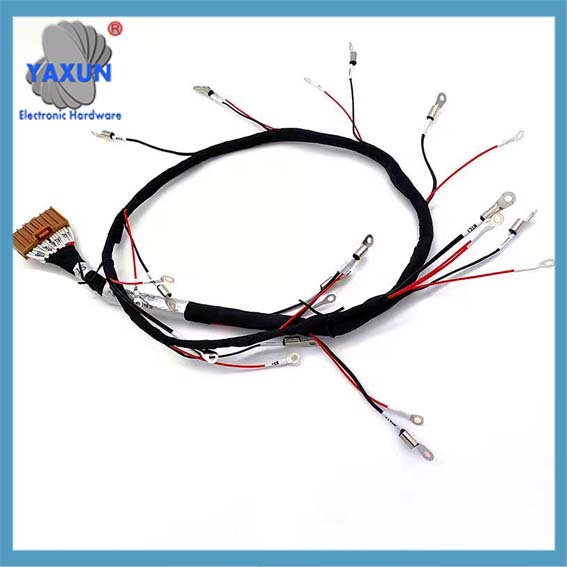
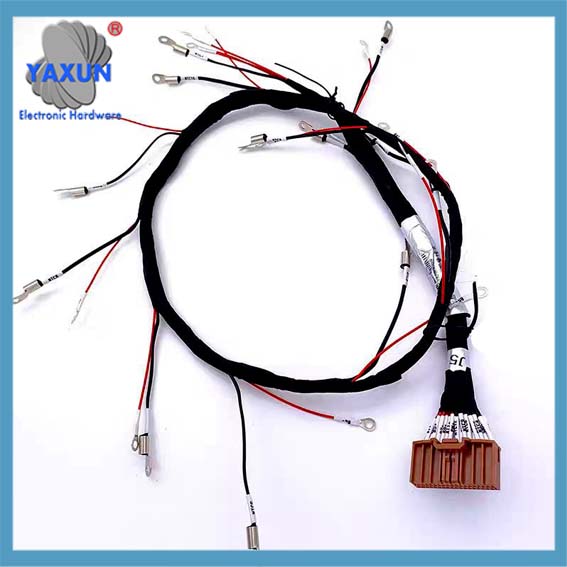
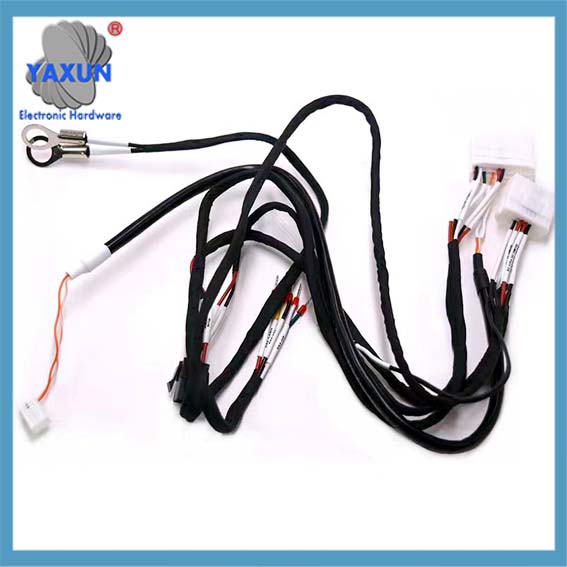
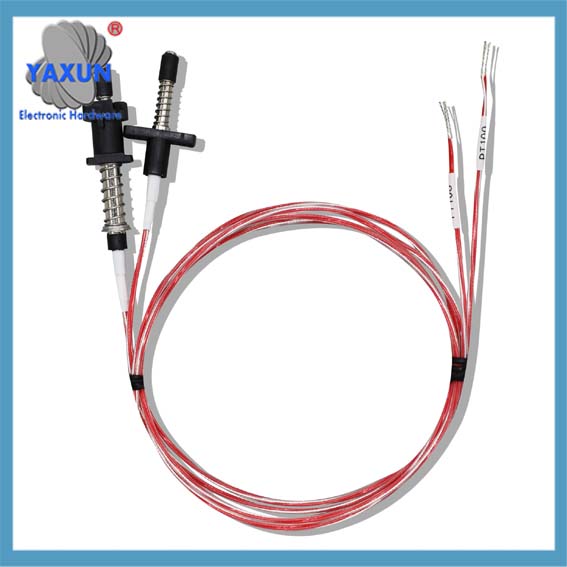

في أنظمة إدارة البطارية (BMS), المجلس الوطني الانتقالي (معامل درجة الحرارة السلبية) تعمل أجهزة استشعار درجة الحرارة كمكونات أساسية لتحقيق مراقبة دقيقة لدرجة الحرارة والإدارة الحرارية. تتميز بحساسيتها العالية, تكلفة منخفضة, وحجم صغير, فهي تشكل خط دفاع حاسم لحماية سلامة البطارية, أداء, وطول العمر.
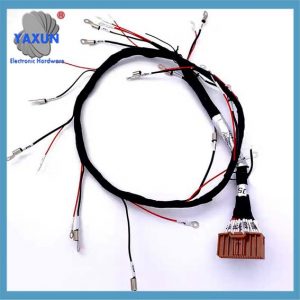 الطاقة الجديدة CCS بطارية تخزين الطاقة NTC استشعار درجة الحرارة |
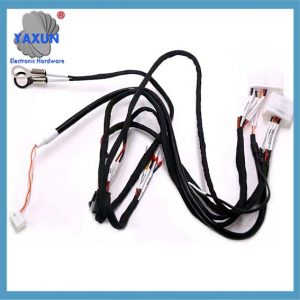 جهد البطارية & محطات تسخير استشعار درجة الحرارة — مستشعر درجة الحرارة |
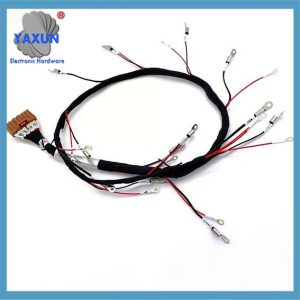 أجهزة استشعار درجة الحرارة NTC وPT100 - محطات تسخير استشعار درجة حرارة البطارية |
يوضح الرسم البياني أدناه الدور المحوري وسير العمل التشغيلي لأجهزة استشعار NTC داخل نظام إدارة المباني:
مخطط انسيابي TD
الرسم البياني الفرعي أ [طبقة مراقبة درجة الحرارة]
أ1[نشر مستشعر NTC<ر>(الخلايا/الوحدات/أشرطة التوصيل)]
نهاية
الرسم البياني الفرعي ب [طبقة التحكم BMS]
ب1[وحدة التحكم الرئيسية BMS]
نهاية
الرسم البياني الفرعي ج [طبقة تنفيذ الإدارة الحرارية]
ج1[أنظمة تبريد السائل/الهواء]
ج2[التحكم في الشحن/التفريغ]
ج3[مرحلات الجهد العالي]
نهاية
أ1 — “بيانات درجة الحرارة في الوقت الحقيقي” –> ب1
ب1 — “أوامر التحكم” –> ج1
ب1 — “أوامر التحكم” –> ج2
ب1 — “أوامر التحكم” –> ج3
ج1 — “تنفيذ التبريد/التدفئة” –> أ1
🎯 الوظيفة الأساسية: منطق التشغيل البيني مع BMS
أجهزة استشعار NTC مسؤولة عن جمع بيانات درجة الحرارة, بينما يستخدم نظام إدارة المباني هذه البيانات لاتخاذ قرارات ذكية, وبالتالي إنشاء نظام التحكم في حلقة مغلقة:
الحفاظ على ظروف التشغيل المثلى (25-35 درجة مئوية): يوجه نظام إدارة المباني (BMS) نظام التبريد/التدفئة للعمل بطاقة منخفضة, ضمان وظائف البطارية ضمن نطاق درجة الحرارة الأمثل للحفاظ على كفاءة الشحن/التفريغ وعمر الدورة.
تنظيم درجة الحرارة المعتدلة (35-45 درجة مئوية): مع ارتفاع درجات الحرارة, يعمل نظام إدارة المباني (BMS) بشكل استباقي على زيادة قوة تبديد الحرارة وتقليل معدل الشحن لمنع درجات الحرارة المرتفعة من تسريع تدهور البطارية.
حماية من درجات الحرارة العالية (45-65 درجة مئوية وما فوق): إذا تجاوزت درجة الحرارة عتبة الأمان (على سبيل المثال, 60درجة مئوية), يطلق نظام إدارة المباني (BMS) إنذارًا ويحد من طاقة التفريغ; إذا تجاوز الحد الحرج (على سبيل المثال, 65درجة مئوية), يقوم على الفور بقطع دائرة الجهد العالي لمنع الهروب الحراري.
التسخين بدرجة حرارة منخفضة (≥10 درجة مئوية): يقوم BMS بتنشيط نظام التدفئة; لا يتم استئناف عمليات الشحن والتفريغ العادية إلا بعد ارتفاع درجة حرارة البطارية مرة أخرى إلى النطاق الآمن (على سبيل المثال, فوق 15 درجة مئوية), وبالتالي منع طلاء الليثيوم الناجم عن الشحن في درجات الحرارة المنخفضة, والتي يمكن أن تلحق الضرر بخلايا البطارية.
📍 **مواقع النشر الرئيسية ومعايير الاختيار**
يتم نشر مستشعرات NTC بشكل استراتيجي في مواقع مهمة متعددة داخل حزمة البطارية لتمكين المراقبة الشاملة لدرجة الحرارة.
| موقع النشر | محاور المراقبة الرئيسية | خصائص NTC الموصى بها |
|---|---|---|
| سطح الخلية / فاتورة غير مدفوعة | يعد التقاط التقلبات الفعلية في درجات الحرارة لخلايا البطارية الفردية بمثابة خط الدفاع الأول ضد ارتفاع درجة الحرارة. | دقة عالية (على سبيل المثال, ±0.1 درجة مئوية), استجابة سريعة (≥1 ثانية), ونطاق درجة حرارة التشغيل واسعة (-40درجة مئوية إلى 150 درجة مئوية). |
| فجوة الوحدة / لوحة تبريد سائلة | تساعد مراقبة الفروق في درجات الحرارة بين وحدات البطارية نظام إدارة المباني في تحقيق تبديد متوازن للحرارة ومنع النقاط الساخنة المحلية. | مقاومة ممتازة للماء (على سبيل المثال, IP67) وحزام أسلاك مرن لسهولة التركيب. |
| الضميمة حزمة البطارية / المحيطة | توفر مراقبة درجة الحرارة المحيطة الداخلية لحزمة البطارية بيانات مرجعية مهمة لاتخاذ القرارات على المستوى الكلي داخل نظام الإدارة الحرارية. | حجم صغير (على سبيل المثال, حزمة سمد) ومقاومة التداخل الكهرومغناطيسي (إيمي). |
| نقطة اتصال عالية الجهد | تساعد مراقبة درجات حرارة المكونات ذات الجهد العالي، مثل المرحلات والصمامات، على منع حالات فشل التسخين الزائد الناتجة عن ضعف الاتصال الكهربائي. | نطاق درجة حرارة التشغيل واسعة بشكل استثنائي (على سبيل المثال, -50درجة مئوية إلى 300 درجة مئوية) وموثوقية عالية. |
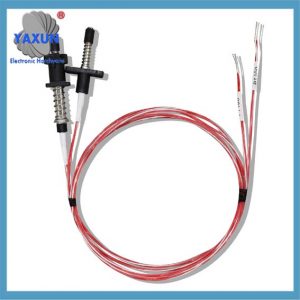
مجسات استشعار درجة الحرارة PT1000 وPT100 لبطاريات الليثيوم
💡 **استراتيجيات التحسين والتقنيات الجديدة**
مع تطور التكنولوجيا, تطبيق أجهزة استشعار NTC ضمن أنظمة إدارة البطارية (BMS) يخضع للتحسين المستمر:
**تحسين وضع المستشعر:** أثبتت الدراسات أنه من خلال استخدام محاكاة CFD والتحسين الخوارزمي لضبط عدد أجهزة الاستشعار وموضعها, فمن الممكن تقليل عدد أجهزة الاستشعار، على سبيل المثال, من 40 وصولاً إلى 20 - دون المساس بالسلامة. يعمل هذا الأسلوب على خفض التكاليف بشكل فعال وتبسيط تخطيطات مجموعة الأسلاك. بالإضافة إلى, يمكن أن يؤدي هذا الموضع الأمثل إلى تقليل أوقات الشحن السريع 15% وتعزيز الطاقة المتاحة لحزمة البطارية تقريبًا 20% في البيئات ذات درجات الحرارة المنخفضة, وبالتالي التحقق بشكل قاطع من تفوق أ “العجاف بعد دقيقة” استراتيجية النشر.
**تصميم متكامل:** يتم بشكل متزايد دمج أجهزة استشعار NTC مباشرة في نظام توصيل الخلايا (احتجاز ثاني أكسيد الكربون) قضبان التوصيل المتكاملة, حيث يتم دمجها مع خطوط استشعار الجهد والتيار. لا يعمل هذا التصميم على تعزيز كثافة التكامل الإجمالية لحزمة البطارية والحفاظ على المساحة فحسب، بل يتيح أيضًا مراقبة أكثر دقة لمصادر الحرارة.
**الموثوقية العالية والتصغير:** لتلبية متطلبات فئة السيارات, أدخلت الشركات المصنعة أجهزة استشعار NTC موثوقة للغاية - مثل سلسلة Murata's NCU - التي تتميز ببصمة تقريبية 80% أصغر من الموديلات السابقة, مما يجعلها مناسبة بشكل مثالي للوحات الدوائر المتكاملة عالية الكثافة. بالتزامن, تستخدم المستشعرات التي تقدمها الشركات المصنعة مثل TE Connectivity عبوات بلاستيكية فلورية مقاومة للزيت ومقاومة للحرارة العالية, لتمكينهم من تحمل بيئات التشغيل القاسية الموجودة داخل المحركات الكهربائية وحزم البطاريات.
**اعتبارات السلامة الوظيفية:** في تصاميم BMS الراقية, يتم استخدام طرق قياس زائدة ومستقلة. على سبيل المثال, من خلال مقارنة قراءات درجة الحرارة التي تم الحصول عليها من دائرة مقسم الجهد NTC مع تلك الصادرة من مسار مستقل (مثل المقاوم النزيف), ويمكن التحقق من دقة بيانات درجة الحرارة, وبالتالي تلبية متطلبات ASIL-D - أعلى مستوى من سلامة السلامة الوظيفية.
في ملخص, تعمل أجهزة استشعار درجة الحرارة NTC بمثابة “النهايات العصبية” من خلالها يستشعر نظام BMS البطارية “درجة حرارة الجسم.” تعد بيانات القياس الدقيقة واستراتيجيات النشر المحسنة باستمرار أمرًا محوريًا لتحقيق الإدارة الحرارية الفعالة, تمديد عمر البطارية, ومنع الهروب الحراري.
إذا كنت مهتمًا بطرق التثبيت المحددة لأجهزة استشعار NTC على أنواع معينة من الخلايا (على سبيل المثال, أسطواني, موشوري, أو خلايا الحقيبة), أو إذا كنت ترغب في الخوض في تفاصيل تصاميم الدوائر المرتبطة بها, لا تتردد في إخباري.