 English
 Afrikaans
 العربية
 বাংলা
বাংলা bosanski jezik
 Български
 Català
 粤语
粤语 中文(简体)
 中文(漢字)
 Hrvatski
 Čeština
 Nederlands
 Eesti keel
 Suomi
Suomi Français
 Deutsch
 Ελληνικά
 हिन्दी; हिंदी
 Magyar
 Bahasa Indonesia
 Italiano
 日本語
日本語 한국어
한국어 Latviešu valoda
 Lietuvių kalba
 македонски јазик
 Bahasa Melayu
 Norsk
Norsk پارسی
پارسی Polski
 Português
 Română
 Русский
 Cрпски језик
 Slovenčina
 Slovenščina
 Español
 Svenska
 ภาษาไทย
 Türkçe
 Українська
 اردو
اردو Tiếng Việt
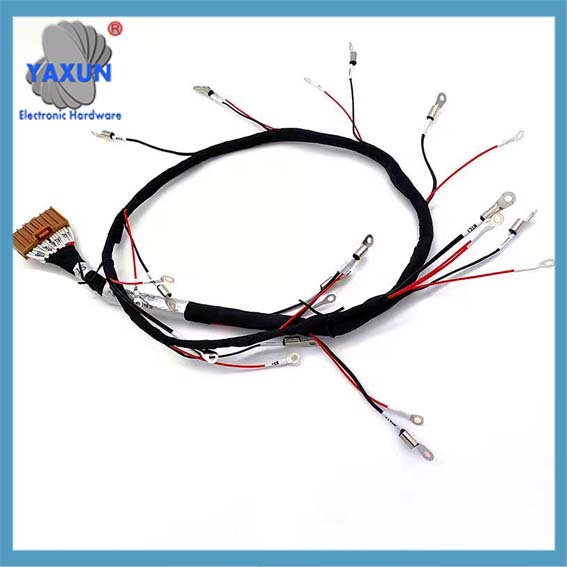
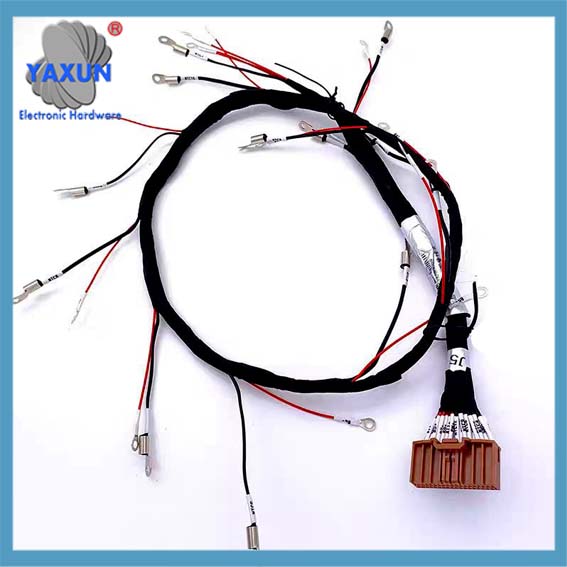
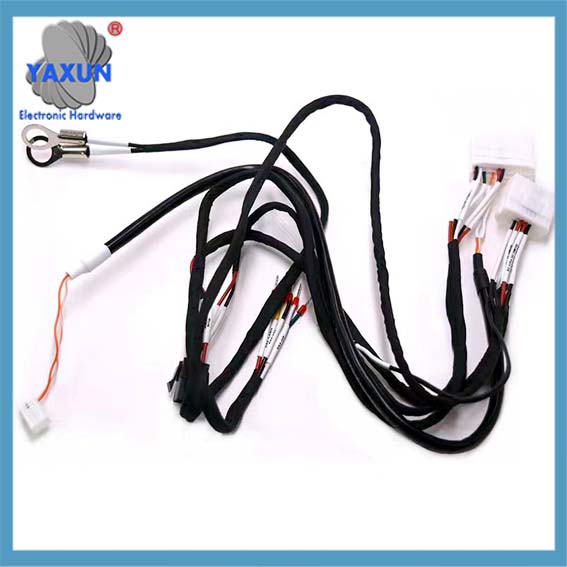

În sistemele de management al bateriilor (BMS), NTC (Coeficient de temperatură negativ) Senzorii de temperatură servesc ca componente de bază pentru realizarea monitorizării precise a temperaturii și managementului termic. Se caracterizează prin sensibilitatea lor ridicată, cost scăzut, si dimensiuni compacte, ele constituie o linie critică de apărare pentru protejarea siguranței bateriei, performanţă, si longevitate.
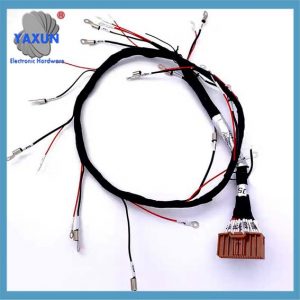 New Energy CCS Energy Storage Battery Senzor de temperatură NTC |
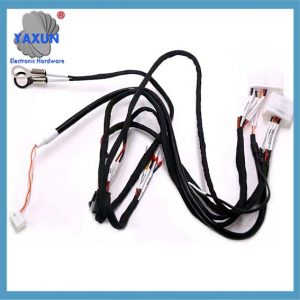 Tensiunea bateriei & Terminale cablaj de detectare a temperaturii — Senzor de temperatură |
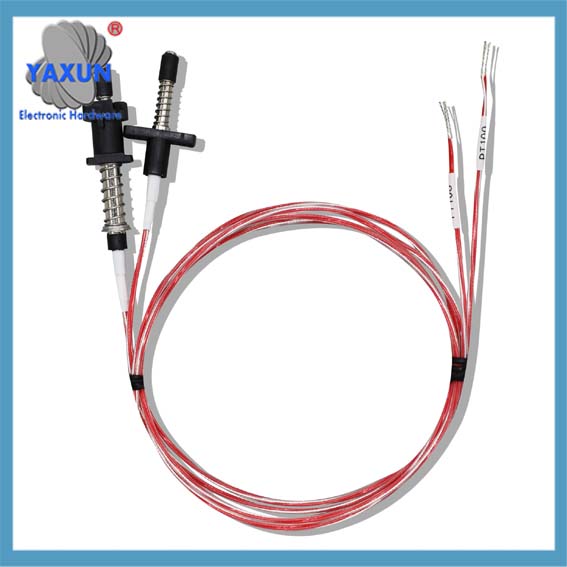
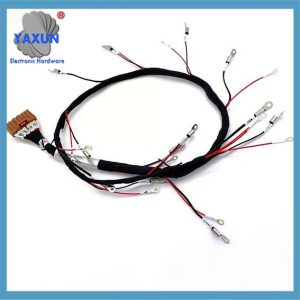 Senzori de temperatură NTC și PT100 — Terminale cablaj de detectare a temperaturii bateriei |
Diagrama de mai jos ilustrează rolul esențial și fluxul de lucru operațional al senzorilor NTC într-un BMS:
organigramă TD
paragraful A [Stratul de monitorizare a temperaturii]
A1[Implementarea senzorului NTC<br>(Celule/Module/Bare colectoare)]
Sfârşit
paragraful B [Stratul de control BMS]
B1[Controler principal BMS]
Sfârşit
paragraful C [Stratul de execuție al managementului termic]
C1[Sisteme de răcire cu lichid/aer]
C2[Control de încărcare/descărcare]
C3[Relee de înaltă tensiune]
Sfârşit
A1 — “Date de temperatură în timp real” –> B1
B1 — “Comenzi de control” –> C1
B1 — “Comenzi de control” –> C2
B1 — “Comenzi de control” –> C3
C1 — “Executați Răcire/Încălzire” –> A1
🎯 Funcția de bază: Logica de interoperabilitate cu BMS
Senzorii NTC sunt responsabili pentru colectarea datelor de temperatură, în timp ce BMS utilizează aceste date pentru a lua decizii inteligente, stabilindu-se astfel un sistem de control în buclă închisă:
Menținerea condițiilor optime de funcționare (25-35°C): BMS instruiește sistemul de răcire/încălzire să funcționeze la putere redusă, asigurând funcționarea bateriei în intervalul optim de temperatură pentru a-și proteja eficiența de încărcare/descărcare și durata de viață.
Reglare moderată a temperaturii (35–45°C): Pe măsură ce temperaturile cresc, BMS mărește în mod proactiv puterea de disipare a căldurii și reduce rata de încărcare pentru a preveni temperaturile ridicate să accelereze degradarea bateriei.
Protecție la temperatură ridicată (45-65°C și peste): Dacă temperatura depăşeşte un prag de siguranţă (de ex., 60°C), BMS declanșează o alarmă și limitează puterea de descărcare; dacă depăşeşte o limită critică (de ex., 65°C), oprește imediat circuitul de înaltă tensiune pentru a preveni evadarea termică.
Preîncălzire la temperatură joasă (≤10°C): BMS activează sistemul de încălzire; operațiunile normale de încărcare și descărcare sunt reluate numai după ce temperatura bateriei a revenit la un interval de siguranță (de ex., peste 15°C), prevenind astfel placarea cu litiu cauzată de încărcarea la temperatură scăzută, care poate deteriora celulele bateriei.
📍 **Locații cheie de implementare și criterii de selecție**
Senzorii NTC sunt implementați strategic în mai multe locații critice din pachetul de baterii pentru a permite monitorizarea completă a temperaturii.
| Locația de implementare | Focusuri cheie de monitorizare | Caracteristici NTC recomandate |
|---|---|---|
| Suprafața celulei / Tab | Captarea fluctuațiilor reale de temperatură ale celulelor individuale ale bateriei servește ca primă linie de apărare împotriva supraîncălzirii. | Precizie ridicată (de ex., ±0,1°C), raspuns rapid (≤1 secundă), și gamă largă de temperatură de funcționare (-40°C până la 150°C). |
| Modul Gap / Placă de răcire cu lichid | Monitorizarea diferențelor de temperatură între modulele bateriei ajută BMS să obțină o disipare echilibrată a căldurii și să prevină punctele fierbinți localizate. | Rezistenta excelenta la apa (de ex., IP67) și cablaj flexibil pentru instalare ușoară. |
| Carcasa pachetului de baterii / Ambient | Monitorizarea temperaturii ambientale interne a acumulatorului oferă date de referință critice pentru luarea deciziilor la nivel macro în cadrul sistemului de management termic. | Dimensiune compactă (de ex., Pachet SMD) și rezistența la interferențe electromagnetice (EMI). |
| Punct de conectare de înaltă tensiune | Monitorizarea temperaturilor componentelor de înaltă tensiune, cum ar fi releele și siguranțele, ajută la prevenirea defecțiunilor de supraîncălzire cauzate de un contact electric slab. | Gama de temperatură de funcționare excepțional de largă (de ex., -50°C până la 300°C) și fiabilitate ridicată. |
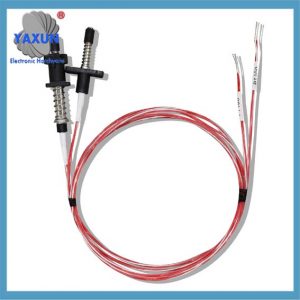
Sonde pentru senzori de temperatură PT1000 și PT100 pentru baterii cu litiu
💡 **Strategii de optimizare și noi tehnologii**
Pe măsură ce tehnologia evoluează, aplicarea senzorilor NTC în cadrul sistemelor de management al bateriei (BMS) este în continuă optimizare:
**Optimizarea amplasării senzorilor:** Studiile au demonstrat că prin utilizarea simulărilor CFD și a optimizării algoritmice pentru a regla fin numărul și plasarea senzorilor, este posibil să se reducă numărul de senzori — de exemplu, din 40 până la 20 — fără a compromite siguranța. Această abordare reduce efectiv costurile și simplifică configurația cablajului. În plus, o astfel de plasare optimizată poate reduce timpii de încărcare rapidă cu 15% și crește energia disponibilă a acumulatorului cu aproape 20% în medii cu temperatură scăzută, validând astfel în mod concludent superioritatea unui “slab, dar precis” strategia de implementare.
**Design integrat:** Senzorii NTC sunt din ce în ce mai mult încorporați direct în sistemul de conectare celulară (CCS) bare colectoare integrate, unde sunt integrate alături de liniile de detectare a tensiunii și curentului. Acest design nu numai că îmbunătățește densitatea globală de integrare a acumulatorului și economisește spațiu, dar permite și o monitorizare mai precisă a surselor de căldură..
**Fiabilitate ridicată și miniaturizare:** Pentru a îndeplini cerințele de calitate auto, producătorii au introdus senzori NTC extrem de fiabili, cum ar fi seria NCU a lui Murata, care prezintă o amprentă de aproximativ 80% mai mic decât modelele anterioare, făcându-le perfect potrivite pentru plăcile de circuite integrate de înaltă densitate. Concomitent, senzorii furnizați de producători precum TE Connectivity utilizează ambalaje fluoroplastice rezistente la ulei și la temperaturi ridicate, permițându-le să reziste la mediile dure de operare din motoarele electrice și bateriile.
**Considerații privind siguranța funcțională:** În modelele BMS de ultimă generație, sunt folosite metode de măsurare redundante și independente. De exemplu, prin compararea citirilor de temperatură obținute dintr-un circuit divizor de tensiune NTC cu cele dintr-o cale independentă (cum ar fi un rezistor de purjare), acuratețea datelor de temperatură poate fi validată încrucișat, satisfăcând astfel cerințele pentru ASIL-D — cel mai înalt nivel de integritate funcțională de siguranță.
În concluzie, Senzorii de temperatură NTC servesc ca “terminatii nervoase” prin care un BMS detectează bateria “temperatura corpului.” Datele lor de măsurare precise și strategiile de implementare optimizate continuu sunt esențiale pentru realizarea unui management termic eficient, prelungirea duratei de viață a bateriei, și prevenirea evadării termice.
Dacă sunteți interesat de metodele specifice de montare pentru senzori NTC pe anumite tipuri de celule (de ex., cilindric, prismatic, sau celule de pungă), sau dacă doriți să aprofundați în detaliile proiectelor de circuite asociate, va rog nu ezitati sa ma anuntati.