 English
 Afrikaans
 العربية
 বাংলা
বাংলা bosanski jezik
 Български
 Català
 粤语
粤语 中文(简体)
 中文(漢字)
 Hrvatski
 Čeština
 Nederlands
 Eesti keel
 Suomi
Suomi Français
 Deutsch
 Ελληνικά
 हिन्दी; हिंदी
 Magyar
 Bahasa Indonesia
 Italiano
 日本語
日本語 한국어
한국어 Latviešu valoda
 Lietuvių kalba
 македонски јазик
 Bahasa Melayu
 Norsk
Norsk پارسی
پارسی Polski
 Português
 Română
 Русский
 Cрпски језик
 Slovenčina
 Slovenščina
 Español
 Svenska
 ภาษาไทย
 Türkçe
 Українська
 اردو
اردو Tiếng Việt

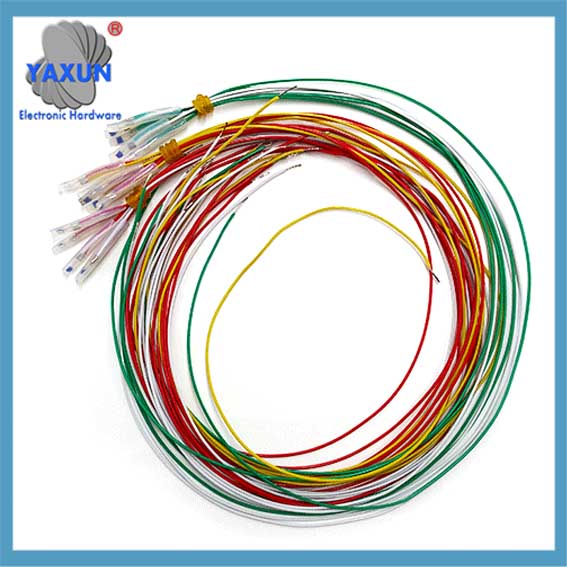
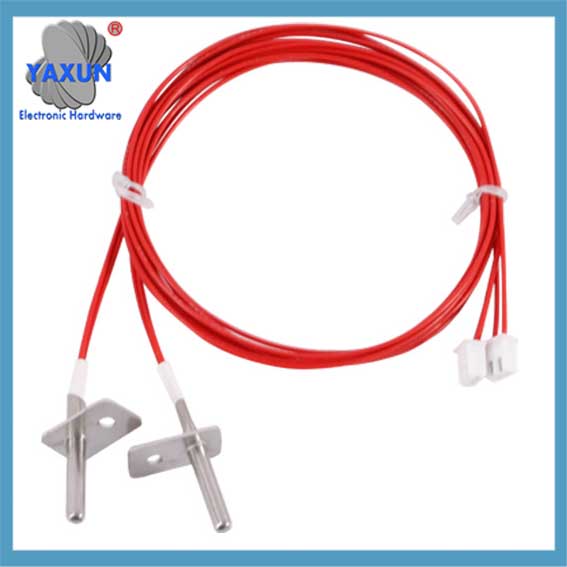
Setul senzor de temperatură EV include: În plus față de senzorii de temperatură pentru acumulatorul vehiculului electric, senzori de temperatura motorului; senzori de temperatură cu invertor; mânerul încărcătorului, senzori de temperatură porturi și conectori de înaltă tensiune; senzori de temperatura sistemului de management termic; senzori de temperatura cabinei; senzori de temperatură a hotei.
În calitate de inovator de top al tehnologiei avansate de detectare și al soluțiilor inovatoare de măsurare încorporate, Amphenol Advanced Sensors este, de asemenea, un lider mondial în domeniul senzorilor de temperatură pentru vehicule electrice noi. Ei au crezut întotdeauna că noua tehnologie cu senzori a jucat un rol cheie în menținerea vehiculelor electrice în funcționare la performanțe optime și în siguranță..
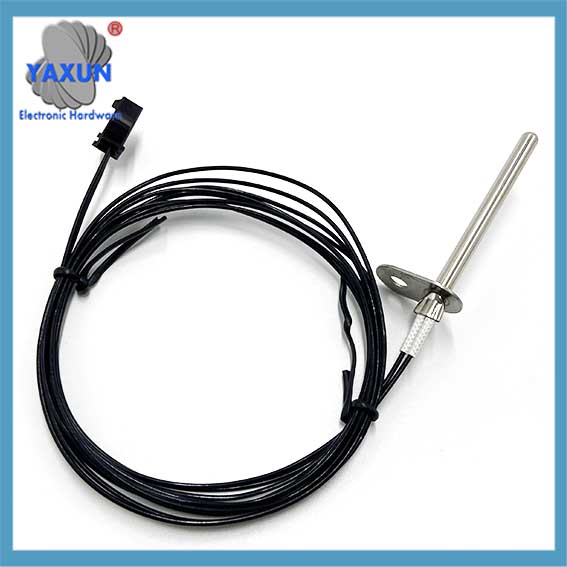 Senzor de temperatură a motorului auto PT100 EV rezistent la temperaturi ridicate |
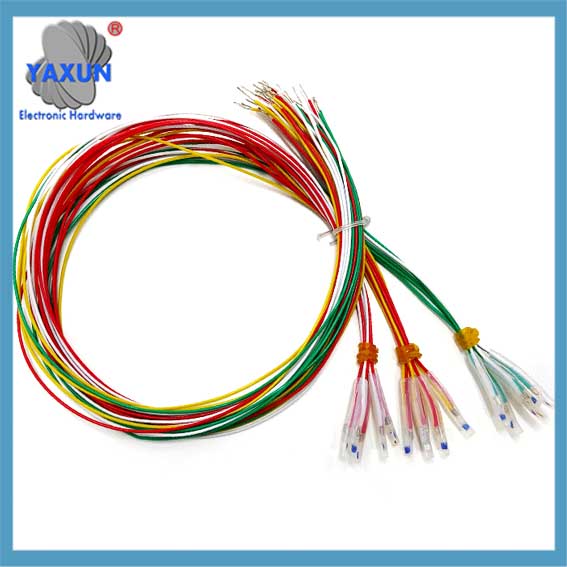 Senzor de temperatură pentru acumulatorul auto EV |
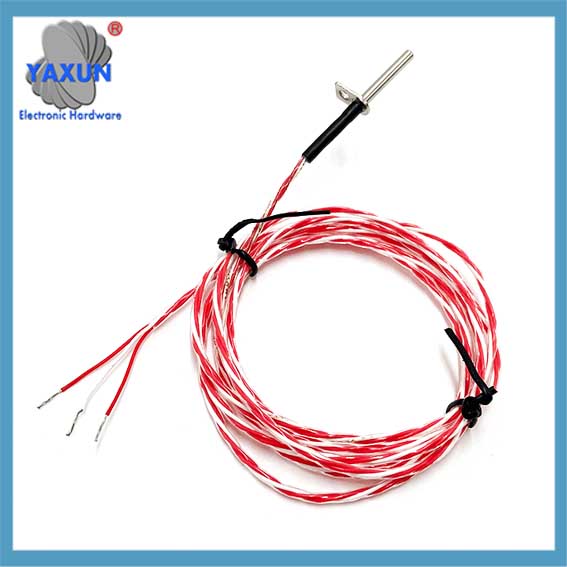 Senzor de temperatură invertor auto EV |
Se crede că pe măsură ce piața vehiculelor cu energie nouă se extinde, va crește și piața senzorilor pentru automobile EV. Motivul este simplu: La fel ca vehiculele cu motoarele cu ardere internă, vehiculele electrice necesită tehnologie de senzori de înaltă performanță și precisă pentru a asigura performanță și siguranță.
Ca și în cazul vehiculelor cu motor cu ardere internă, supraîncălzirea poate afecta grav funcționarea și siguranța vehiculelor electrice și durata de viață a acestora. Se poate spune că senzorii de temperatură auto joacă un rol mai larg în vehiculele electrice, deoarece multe dintre componentele sale sunt mai sensibile la temperaturi suboptime sau funcționează slab..
1. Senzor de temperatură a motorului
Motoarele EV nu se deosebesc de motoarele vehiculelor ICE – au multe părți care funcționează împreună perfect. Mai important, se incalzesc cand sunt folosite.
Ca motoarele ICE, Motoarele EV trebuie menținute într-un anumit interval de temperatură pentru a funcționa eficient – între 90-95°C. Depășirea acestui interval într-un EV poate duce la supraîncălzire, timp în care motorul poate funcționa ineficient sau poate intra într-un mod sigur.
Instalați senzori de temperatură EV pentru a monitoriza:
Temperatura uleiului de motor
Temperatura înfășurării motorului
Temperatura lichidului de răcire a motorului
Controlul temperaturii motorului nu se referă strict la scăderea temperaturii. În climatele mai reci, temperatura motorului trebuie să crească la aproximativ 15°C pentru a conduce pentru a funcționa eficient.
2. Senzor de temperatură invertor
Ca gateway care convertește DC în AC pentru a alimenta motorul, invertorul controlează sângele vital al vehiculului electric. Un produs secundar al conversiei curente este căldura, care poate depăşi cu mult limita de temperatură de 150°C dacă nu este controlată. Când este expus la căldură excesivă pentru o perioadă lungă de timp, componentele interne încep să se defecteze și dispozitivul nu va funcționa corect.
Efectele comune ale supraîncălzirii invertorului includ:
Degradarea izolației
Fisurarea lipirii
Deformarea metalului
3. Manerul incarcatorului si senzori de temperatura portului
Ca sursă de alimentare pentru EV, mânerul și portul de încărcare al încărcătorului EV se pot supraîncălzi. Temperaturile ridicate indică o serie de probleme:
Conexiuni proaste
Încărcător defect
Pe măsură ce tehnologia de încărcare rapidă DC avansează, monitorizarea temperaturii mânerului de încărcare a EV și a portului acestuia va deveni din ce în ce mai importantă. Deși tehnologia de încărcare rapidă a redus timpul de reîncărcare la 80% taxa la 30 minute, Consumatorii de astăzi caută o experiență de realimentare care să fie mai degrabă ca umplerea unui rezervor cu gaz.
Încărcarea rapidă necesită convertirea unei cantități mari de energie electrică, care generează multă căldură. Pe măsură ce tehnologia se îmbunătățește pentru a reduce timpul de încărcare, monitorizarea temperaturii poate ajuta la asigurarea că procesul este sigur și eficient.
4. Senzor de temperatura sistemului de management termic
În timp ce funcția de bază a sistemului de management termic este de a regla componentele mecanice și bateria vehiculului electric, sistemul în sine trebuie de asemenea monitorizat.
Temperatura sistemului de management termic afectează direct componentele EV pe care ar trebui să le răcească. Când temperatura sa se ridică dincolo de limitele normale, poate apărea un efect de domino, conducând la multe dintre aceleași probleme enumerate anterior. Oferă informații critice controlerului de sistem pentru a optimiza performanța și a minimiza consumul de energie, menținând în același timp temperaturile adecvate ale sistemului, cu senzori de temperatură care monitorizează punctele cheie din sistemele de lichid de răcire și agent frigorific..
Temperaturile ridicate din cadrul sistemului de management termic sunt un semn sigur că ceva nu este în regulă, fie că este o defecțiune a sistemului – cum ar fi o scurgere – sau o defecțiune la una dintre componentele pe care o răcește.
5. Senzor de temperatură din cabină
Un vehicul care este prea cald sau prea rece poate duce la o călătorie inconfortabilă pentru o perioadă lungă de timp. In afara de motor, sistemul HVAC al unui vehicul electric este cea mai vizibilă caracteristică de operare a unui vehicul electric atunci când acesta este în funcțiune.
Piatra de temelie a funcționalității unui vehicul electric este eficiența – sau asigurându-vă că nu folosește mai multă putere decât este absolut necesar. Senzorii EV indică mașinii și computerului exact cât de mult trebuie să funcționeze sistemele vehiculului.
Cu un senzor de temperatură al sistemului EV HVAC în mașină, șoferii și pasagerii pot rămâne confortabil fără a descărca bateria prea repede și fără a reduce autonomia.
6. Senzor de temperatură sub capotă
Senzorii externi de temperatură nu sunt meniți să informeze șoferii și pasagerii în ce climă se află.
La fel ca senzorul de temperatură HVAC din mașină, un dispozitiv extern îi spune vehiculului că un alt sistem, precum sistemul de management termic, trebuie să lucreze pentru a depăși temperatura ambiantă. Senzorii externi de temperatură sunt de obicei montați sub capota unei mașini sau a unui camion.
Încărcare rapidă și senzori pentru vehicule electrice: O împerechere necesară
Întrebați orice șofer care este cea mai importantă caracteristică a mașinii sau camionului său, și majoritatea vor spune probabil capacitatea de a ajunge din punctul A în punctul B în siguranță. La urma urmelor, aceasta este funcția principală a vehiculului.
Ultimul lucru pe care și-l dorește orice proprietar de vehicul este să afle că vehiculul său nu este gata atunci când este gata. Un rezervor gol de benzină nu îi va duce la o întâlnire importantă cu clienții sau la turneul de fotbal al copiilor lor. Același lucru este valabil și pentru o baterie descărcată.
În timp ce vehiculele electrice folosesc o sursă de combustibil diferită față de vehiculele tradiționale cu motor cu ardere internă, care nu a schimbat imediat așteptările proprietarilor cu privire la vehiculele sau flotele lor, transport la cerere.
În ciuda progreselor în tehnologia bateriilor, există încă percepția că vehiculele electrice rămân fără suc în cel mai rău moment posibil - când șoferii sunt departe de o stație de încărcare. Ce este mai mult, Proprietarii de mașini pe benzină sunt obișnuiți să realimenteze în doar câteva minute. Cum poate încărcarea vehiculelor electrice să fie la fel de rapidă și convenabilă ca acum??
Combinat cu surse de alimentare mobile cu durată mai lungă, tehnologia de încărcare rapidă a vehiculelor electrice ar putea rezolva aceste probleme și ar putea ajuta vehiculele electrice să țină pasul cu mașinile și camioanele care funcționează cu combustibili fosili.
Chiar și așa, tehnologia de încărcare rapidă și infrastructura stației de încărcare însoțitoare nu sunt suficiente pentru a ajuta potențialii consumatori de vehicule electrice să depășească preocupările legate de timpul pierdut la reîncărcare. Pentru cei care doresc o tranziție fără probleme la conducerea unui vehicul electric, rezultatele practice contează. Senzorii EV sunt esențiali pentru a face încărcarea la fel de rapidă ca și realimentarea la o benzinărie.
Încărcarea rapidă și impacturile sale potențiale — Sănătatea bateriei EV
Ca piesa de puzzle lipsă în primele zile ale dezvoltării EV, noile tehnologii de încărcare rapidă au facilitat parțial electrificarea continuă a transportului. În timp ce sistemele de încărcare rapidă fac trecerea la vehiculele electrice mai practică, sunt inutilizabile fără o monitorizare adecvată.
De ce? Produsul secundar principal al încărcării rapide este căldura, mai ales la conversia curentului electric din AC în DC. Căldura este cel mai mare inamic al unui acumulator EV.
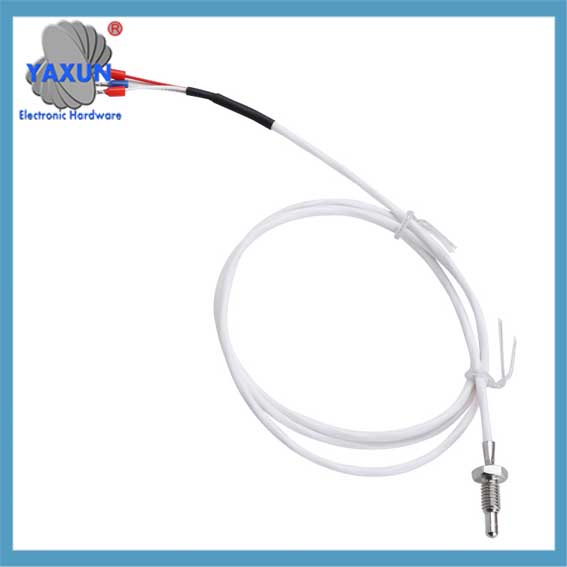 Senzor de temperatură pentru mânerul încărcătorului auto EV |
 Senzor de temperatură pentru sistemul de management termic al mașinii EV |
 Senzor de temperatură în cabina mașinii EV |
Senzorii EV trebuie să monitorizeze încărcarea rapidă 3 Locuri
Asigurați-vă că încărcarea EV de mare viteză pornește și se oprește în siguranță și eficient cu tehnologia senzorilor. Încărcarea rapidă necesită senzori cu răspuns rapid, în primul rând senzori de temperatură a vehiculului.
Fără monitorizare în timp real care declanșează sistemul să mențină temperaturile ideale, riscul deteriorării termice a componentelor EV crește dramatic.
Există trei locuri în care vehiculele electrice trebuie să aibă senzori de temperatură pentru încărcare rapidă:
Puncte de conectare
Sistem de management termic
În interiorul pachetului de baterii
1. Puncte de conectare
Există două locuri în care senzorii de temperatură trebuie să fie prezenți la punctul de conectare: portul de încărcare și mânerul de încărcare.
Pentru încărcare rapidă, mulți electroni trebuie transferați rapid de la dispozitivul de service EV la bateria vehiculului. Acest curent mare generează căldură. Temperaturile ridicate din interiorul portului de încărcare pot indica o conexiune slabă între mânerul de încărcare și contactele EV. Din punct de vedere al eficienței, o conexiune slabă înseamnă că vehiculul nu se încarcă la fel de repede cum ar trebui. în plus, temperaturile ridicate din conectorul pentru încărcătorul rapid EV pot indica, de asemenea, că încărcătorul este supraîncărcat de consumul de energie, sau începe să funcționeze defectuos.
2. Sistem de management termic
Supraîncălzirea în cadrul sistemului de management termic al unui vehicul electric este un semn imediat că acesta nu funcționează conform intenției și că componentele sale se încălzesc, ca:
Schimbătoare de căldură
Plăci de răcire
Lichid de răcire
Agent frigorific
Ulei izolator
Temperaturile excesive pot indica, de asemenea, că sistemul de răcire EV este copleșit de supraîncălzirea componentelor pe care ar trebui să le răcească.
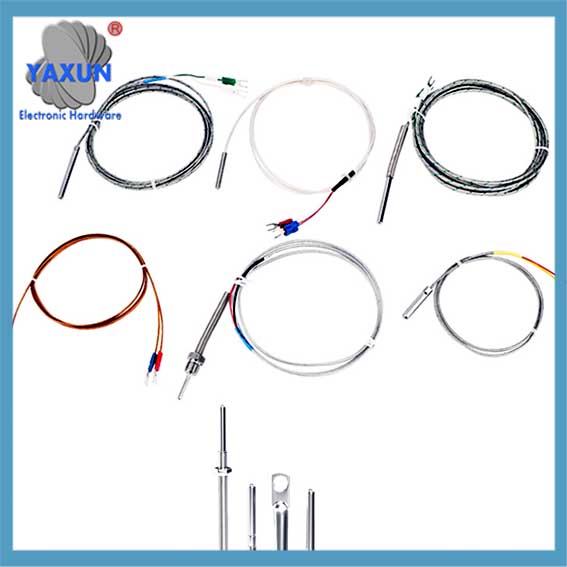
Senzor de temperatura capota auto EV
3. baterii
Bateriile litiu-ion se încarcă bine între 45 si 60C, dar poate fi deteriorat atunci când este încărcat la temperaturi ușor peste acestea. Când temperaturile din acumulatorul depășesc acest interval, vehiculul poate intra în modul de siguranță și se poate opri, sau mai rău, începe un proces de evadare termică.
Supraîncălzirea bateriei este unul dintre ultimii indicatori că există o problemă cu sistemul de încărcare sau de management termic al vehiculului, sau că bateria în sine se defectează.
Răcirea imediată este necesară pentru a menține funcționalitatea și siguranța pe termen lung a bateriei.
Viitorul încărcării rapide pentru vehiculele electrice
Dezvoltarea tehnologiei de încărcare rapidă pentru managementul termic al vehiculelor electrice este departe de a fi încheiată.
Folosind tehnologia de încărcare rapidă existentă, durează aproximativ 30 minute pentru a reîncărca bateria unui vehicul electric 80 la sută. Cu toate acestea, inginerii încă lucrează pentru ca încărcarea completă a unui vehicul electric să fie la fel de rapidă precum și umplerea unui rezervor gol al unui vehicul cu motor cu ardere internă - un proces care durează de obicei mai puțin de 10 minute.
Cererea de încărcare ultra-rapidă a vehiculelor electrice nu este determinată în întregime de dorința de confort. Companii de transport terestru și companii cu flote de vehicule mari (semiremorci si autobuze) au cerut aproape universal încărcare ultra-rapidă care să-și poată pune vehiculele în mișcare în câteva minute.
Mai simplu spus, bateriile din vehiculele mai mari sunt de câteva ori mai mari decât cele utilizate în vehiculele electrice. Durează mai mult să se încarce. Dar timpul petrecut la încărcare înseamnă pierderea productivității și a veniturilor.
Senzorii cu răspuns rapid care monitorizează termic pe parcursul unui vehicul electric sunt esențiali:
Repunerea în funcțiune a vehiculelor mai rapid;
Prevenirea degradării sau a deteriorării bateriei;
Senzori EV și sisteme de încărcare rapidă: o pereche necesară.
În timp ce electrificarea este una dintre cele mai mari transformări din istoria transporturilor, proprietarii și operatorii de vehicule încă se așteaptă la un anumit nivel de funcționalitate. Tehnologia de încărcare rapidă face posibilă această transformare, deoarece abordează o problemă majoră direct. Senzorii EV sunt eroii necunoscuți care fac încărcarea EV la fel de calmă ca și umplerea unui rezervor.
Managementul termic EV | Conducerea revoluției electrizării
Puterea reală din spatele vehiculelor schimbă modul în care ajungem de la punctul A la punctul B. Pentru a face asta, tehnologia senzorilor necesară pentru a menține vehiculele să funcționeze eficient și în siguranță trebuie să fie robustă, de încredere, și receptiv.
Aceste atribute sunt cele mai importante atunci când vine vorba de managementul termic al vehiculelor electrice. Un produs secundar natural al folosirii vehiculelor electrice, supraîncălzirea neatenuată la mașinile electrice, camioane, sau orice tip de vehicul are potențialul de a deraia revoluția electrificării. Consumatorii și agențiile de protecție a consumatorilor au amintiri foarte bune și lungi când vine vorba de erori de siguranță sau caracterizări greșite.
Prin integrarea tehnologiei de senzori adecvate în designul EV, Managementul termic al EV este continuu. Mai important, performanța vehiculelor electrice este practic imposibil de distins de predecesorii lor cu motor pe benzină care îmbătrânesc lent.