 English
 Afrikaans
 العربية
 বাংলা
বাংলা bosanski jezik
 Български
 Català
 粤语
粤语 中文(简体)
 中文(漢字)
 Hrvatski
 Čeština
 Nederlands
 Eesti keel
 Suomi
Suomi Français
 Deutsch
 Ελληνικά
 हिन्दी; हिंदी
 Magyar
 Bahasa Indonesia
 Italiano
 日本語
日本語 한국어
한국어 Latviešu valoda
 Lietuvių kalba
 македонски јазик
 Bahasa Melayu
 Norsk
Norsk پارسی
پارسی Polski
 Português
 Română
 Русский
 Cрпски језик
 Slovenčina
 Slovenščina
 Español
 Svenska
 ภาษาไทย
 Türkçe
 Українська
 اردو
اردو Tiếng Việt

Overcurrent protection electrical fuse is a circuit protection device that cuts off abnormal current through a fusing mechanism. Its core function is to fuse when the current exceeds the rated value to protect the back-end equipment. The following is a detailed explanation of the classification and characteristics:
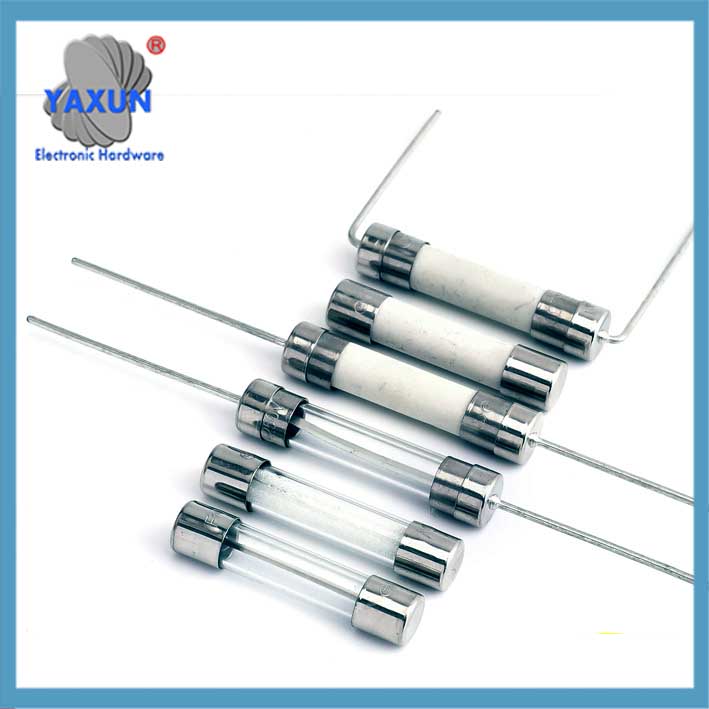
 6×30 ceramic fuse overcurrent protection device |
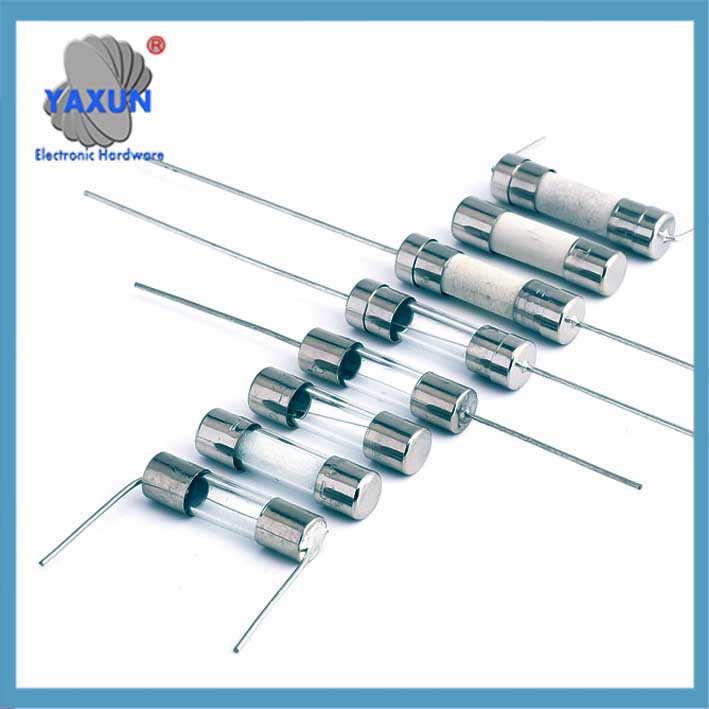
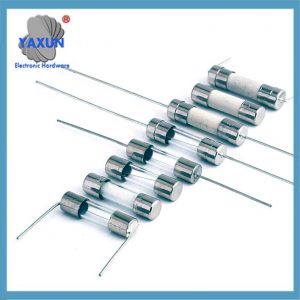 5×20 glass fuse overcurrent protection device |
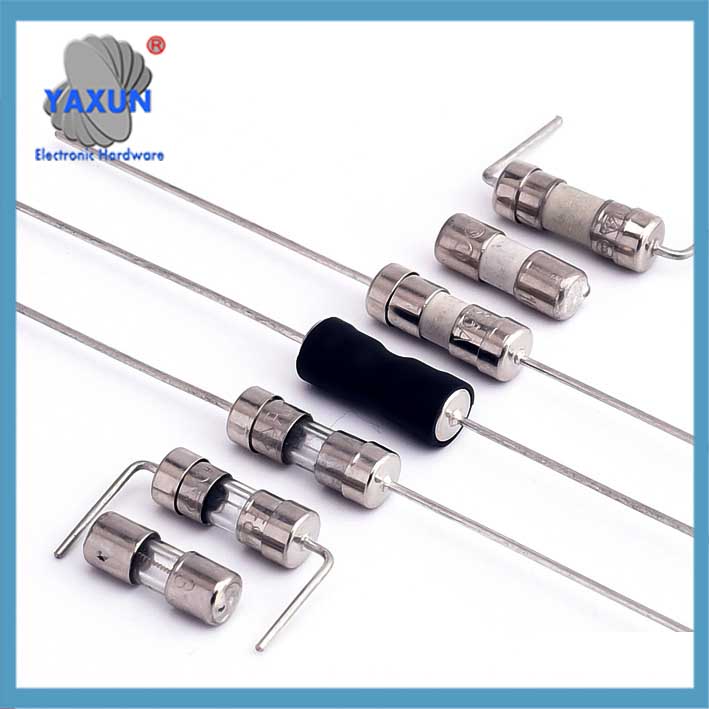
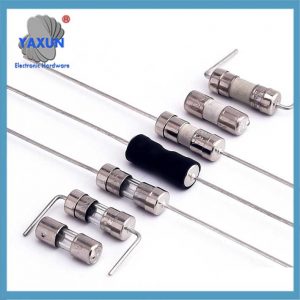 3.6×10 mm Cartridge Fuses for overcurrent protection |
Traditional fuse type fuse
Working Principle:
When the current exceeds the limit, the metal melt melts due to the Joule heat effect and disconnects the circuit, which is a one-time protection device. The typical response time is in milliseconds, and short-circuit protection requires fast fusing (such as the glass tube fuse fusing time ≤40ms) . Fusible Link:
A fuse contains a small, conductive wire or strip (the fusible link) designed to melt or vaporize when the current flowing through it exceeds its rated capacity.
Overstroombeveiliging:
This melting action opens the circuit, interrupting the flow of electricity and preventing further damage.
Single-Use:
Fuses are designed for one-time use and must be replaced after they interrupt the circuit.
Betrouwbaarheid: Fuses are known for their reliability in interrupting overcurrents.
Cost-effectiveness: They are generally inexpensive compared to other overcurrent protection devices.
Simplicity: The design is simple, making them easy to understand and use.
Variety: Fuses come in various sizes, shapes, and current ratings to suit different applications.
Soorten: Fuses are categorized into different classes (BIJV., L, RK1, RK5, T, J, CC, enz.) to address specific overcurrent scenarios and performance requirements.
Types and Structures Plug-in type: commonly used in automotive circuits, current 1-120A, divided into four specifications from ultra-small to large.
SMD type: SMD packaging, geschikt voor PCB's met hoge dichtheid, containing quartz sand arc extinguishing medium.
Glass tube type: transparent shell is convenient for observing the fuse status, current 0.5-80A.
Key parameters Rated current/voltage: such as 250V/10A slow-break type, it needs to be derated according to 75% (UL-standaard) of 90% (IEC standard) of the actual current.
Fusing characteristics: fast-break type (anti-short circuit) and slow-break type (anti-surge).
When are fuses used?
Branch circuits:
Fuses are commonly used in household and commercial electrical systems to protect individual circuits.
Equipment protection:
They can be used to protect specific components within a device, such as transformers or circuit boards.
Time-delay and fast-acting:
Fuses can be designed for time-delay applications (BIJV., for inductive loads with high inrush currents) or fast-acting applications (BIJV., for resistive loads).
Self-resettable fuse (PPTC) Action mechanism
Made of high molecular polymer and conductive particles, the resin expands due to heat when overcurrent occurs, blocking the path, and cools down to restore low resistance after the fault is eliminated1011. The response speed is inversely proportional to the current intensity (zoals 0805 package second-level protection).
Compared with traditional fuses
| functies | PPTC | Traditional fuse |
|---|---|---|
| Resilience | Automatische reset | Requires manual replacement |
| Interne weerstand | Low resistance (starting from 0.008Ω) | Lager (milliohm level) |
| Toepasselijke scenario's | Hot-swap interface, battery protection | High reliability power input |
Examples of Overcurrent Scenarios:
Short circuits:
When two or more conductors come into direct contact, creating a low-resistance path for current, a short circuit occurs.
Overloads:
When a circuit is subjected to a current higher than its capacity for an extended period, it’s considered an overload.
Ground faults:
When electricity flows from a live wire to ground (earth), it’s called a ground fault.
Arc faults:
These are dangerous electrical discharges that can occur in wiring or electrical components.
Limitations:
Vervanging: Fuses require replacement after they blow, which can be inconvenient.
Not resettable: Unlike circuit breakers, fuses cannot be reset and reused.
May not be as precise: Fuses may not offer the same level of precision in interrupting currents as some circuit breakers.
In conclusion, fuses are a vital part of electrical safety, providing a reliable and cost-effective way to protect circuits and equipment from the dangers of overcurrents.