English
 Afrikaans
 العربية
 বাংলা
বাংলা bosanski jezik
 Български
 Català
 粤语
粤语 中文(简体)
 中文(漢字)
 Hrvatski
 Čeština
 Nederlands
 Eesti keel
 Suomi
Suomi Français
 Deutsch
 Ελληνικά
 हिन्दी; हिंदी
 Magyar
 Bahasa Indonesia
 Italiano
 日本語
日本語 한국어
한국어 Latviešu valoda
 Lietuvių kalba
 македонски јазик
 Bahasa Melayu
 Norsk
Norsk پارسی
پارسی Polski
 Português
 Română
 Русский
 Cрпски језик
 Slovenčina
 Slovenščina
 Español
 Svenska
 ภาษาไทย
 Türkçe
 Українська
 اردو
اردو Tiếng Việt
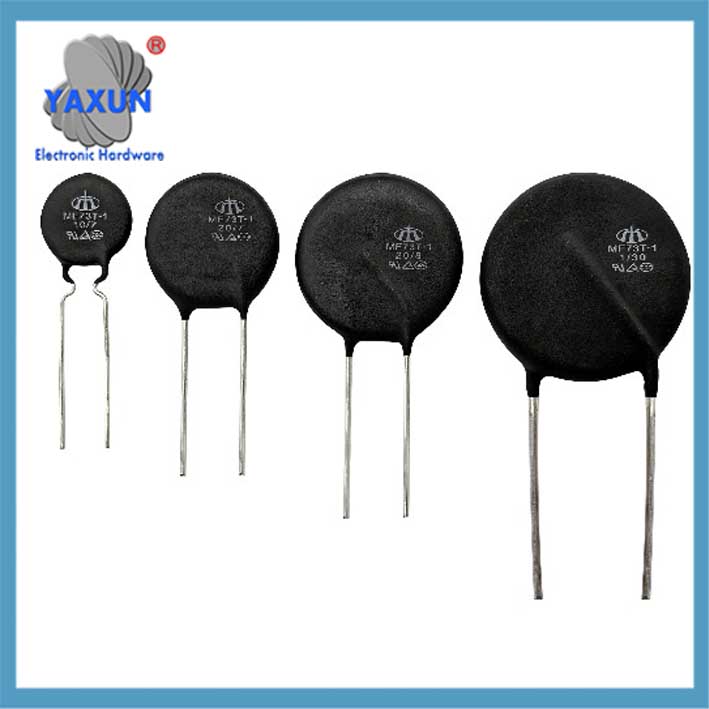
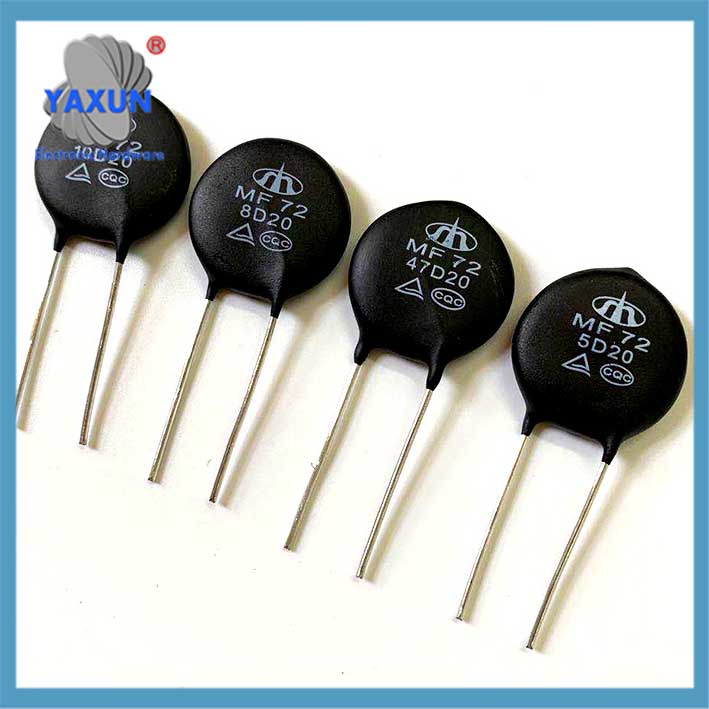
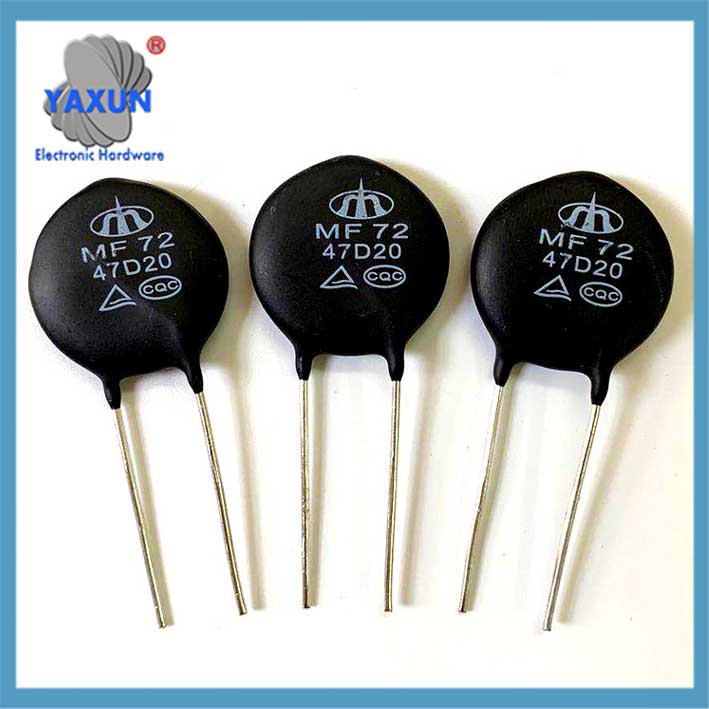
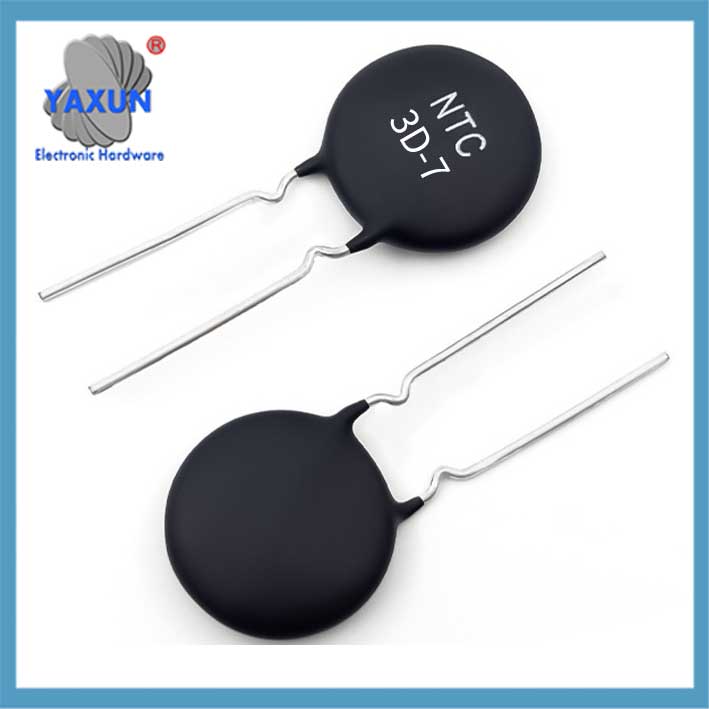

Θερμίστορ ισχύος (κυρίως αρνητικός συντελεστής θερμοκρασίας τύπου NTC) είναι ένα βασικό στοιχείο για την καταστολή του ρεύματος υπέρτασης σε ηλεκτρονικά κυκλώματα. Οι κύριες παράμετροί του, τα σημεία επιλογής και τα σενάρια εφαρμογής είναι τα εξής:
εγώ. Βασικές λειτουργίες και αρχές
Καταστολή ρεύματος υπέρτασης
Τη στιγμή της εκκίνησης του ρεύματος, η τιμή αντίστασης NTC που συνδέεται σε σειρά στο κύκλωμα εισόδου είναι υψηλή, που μπορεί να περιορίσει το ρεύμα αιχμής; μετά την ενεργοποίηση του ρεύματος, η αντίσταση πέφτει γρήγορα λόγω της θερμότητας (η κατανάλωση ενέργειας μπορεί να αγνοηθεί), εξασφαλίζοντας τη σταθερή λειτουργία των επόμενων κυκλωμάτων.
Αρνητικά χαρακτηριστικά θερμοκρασίας
Η τιμή αντίστασης μειώνεται εκθετικά με την αύξηση της θερμοκρασίας: R(Τ)=R0⋅eB⋅(1T−1T0)R(Τ)=R0⋅eB⋅(T1−T01) (Το R0R0 είναι η τιμή αντίστασης στους 25℃, Το BB είναι η υλική σταθερά).
|
NTC Θερμίστορ υψηλής ισχύος MF72 |
NTC θερμίστορ ισχύος τύπου 10D, 5ρε, 8Δ θερμίστορ αρνητικού συντελεστή θερμοκρασίας |
Πώς να χρησιμοποιήσετε τα θερμίστορ NTC για τον περιορισμό του ρεύματος εισροής |
Πώς λειτουργεί:
Υψηλή αρχική αντίσταση:
Όταν εφαρμόζεται για πρώτη φορά το ρεύμα, ένα θερμίστορ ισχύος έχει υψηλή αντίσταση, που περιορίζει το αρχικό ρεύμα εισόδου.
Αυτοθέρμανση:
Καθώς το ρεύμα ρέει μέσα από το θερμίστορ, παράγει θερμότητα, προκαλώντας μείωση της αντίστασής του.
Μείωση Αντίστασης:
Η μείωση της αντίστασης επιτρέπει στο κύκλωμα να τραβήξει το απαραίτητο ρεύμα λειτουργίας χωρίς το αρχικό κύμα.
Οφέλη:
Προστατεύει τον εξοπλισμό:
Περιορίζοντας το ρεύμα εισόδου, οι θερμοστάτες ισχύος αποτρέπουν τη ζημιά σε ευαίσθητα εξαρτήματα και εξοπλισμό.
Μειώνει την απώλεια ισχύος:
Η μείωση της αντίστασης μέσω της αυτοθέρμανσης μειώνει την απώλεια ισχύος σε σύγκριση με τη χρήση σταθερής αντίστασης.
Εξοικονόμηση Ενέργειας:
Η μείωση της απώλειας ισχύος μπορεί να οδηγήσει σε εξοικονόμηση ενέργειας σε εφαρμογές όπως εναλλαγή τροφοδοτικών και άλλες ηλεκτρικές συσκευές.
Ii. Βασικές παράμετροι και σημεία επιλογής
| Παράμετροι | Ορισμός και σημασία επιλογής | Τυπική τιμή/εύρος |
| Ονομαστική μηδενική αντίσταση ισχύος (R25) | Η ονομαστική αντίσταση στους 5°C καθορίζει την αρχική ικανότητα καταστολής υπερτάσεων. Τύπος υπολογισμού: R25≈U2⋅IsurgeR25≈2⋅IsurgeU (Η UU είναι η τάση εισόδου, Το IsurgeIsurge είναι το ρεύμα υπέρτασης) | Συνηθισμένα 2,5Ω, 5Ω, 10Ω±(15-30)% |
| Μέγιστο ρεύμα σταθερής κατάστασης | Το ρεύμα που μπορεί να διατηρηθεί για μεγάλο χρονικό διάστημα στους 25℃, πρέπει να είναι μεγαλύτερο από το ρεύμα λειτουργίας του κυκλώματος | Ανάλογα με το μοντέλο 0,5A~δεκάδες αμπέρ |
| Υπολειμματική αντίσταση | Η ελάχιστη τιμή αντίστασης σε υψηλή θερμοκρασία (όπως 100℃), επηρεάζει την κανονική κατανάλωση ισχύος του κυκλώματος | Περίπου 1/10~1/20 του R25 |
| Β τιμή | Υλική σταθερά (μετρήθηκε στους 25℃~50℃), καθορίζει την κλίση της καμπύλης αντίστασης-θερμοκρασίας; Η υψηλή τιμή Β ανταποκρίνεται γρήγορα αλλά έχει υψηλό κόστος | 2000K~6000K |
| Θερμική χρονική σταθερά | Δείκτης ταχύτητας απόκρισης, τύπος μπαλώματος (όπως το SMD) μπορεί να φτάσει σε δευτερόλεπτα | Γυάλινη σφράγιση/τύπος σύρματος εμαγιέ περίπου 10~60 δευτερόλεπτα |
Σημείωμα: Παράδειγμα αναγνώρισης μοντέλου MF72-10D-9:
10: R25=10Ω.
ΡΕ: Συσκευασία δίσκου
9: 9διάμετρος mm;
III. Τυπικά σενάρια εφαρμογής
Εξοπλισμός τροφοδοσίας: Καταστολή υπέρτασης εισόδου του τροφοδοτικού μεταγωγής, UPS, προσαρμογέας;
Σύστημα φωτισμού: Αντικραδασμική προστασία οδηγού LED, έρμα, κουτί διανομής φωτισμού;
Βιομηχανικός εξοπλισμός: Εκκίνηση κινητήρα, βιομηχανικό τροφοδοτικό, ιατρικό όργανο;
οικιακές συσκευές: Κλιματιστικό, Προστασία εκκίνησης συμπιεστή ψυγείου;
IV. Οδηγός επιλογής και αποφυγής
Τρέχουσα αντιστοίχιση
Το μέγιστο ρεύμα σταθερής κατάστασης πρέπει να είναι μεγαλύτερο από 1.5 φορές το πραγματικό ρεύμα εργασίας για να αποφευχθεί η συνεχής θέρμανση και η αστοχία.
Σχεδιασμός απαγωγής θερμότητας
Σε σενάρια υψηλής ισχύος, απαιτείται επαρκής απόσταση ή βοηθητική διάχυση θερμότητας για να αποτραπεί η υπερβολική αύξηση της θερμοκρασίας από το να προκαλέσει ανεπαρκή υπολειμματική αντίσταση.
Ακραία θερμοκρασία
Το εύρος θερμοκρασίας λειτουργίας είναι γενικά -55℃~+125℃. Μοντέλα σφραγισμένα με γυαλί (ανθεκτικό στους 150℃) προτιμώνται σε περιβάλλοντα υψηλής θερμοκρασίας.
V. Σύγκριση πακέτου και απόδοσης
| Τύπος συσκευασίας |
Φόντα | Ισχύοντα σενάρια |
| Εποξειδική ρητίνη | Χαμηλό κόστος, καλή στεγανότητα | Οικιακές συσκευές, συνηθισμένα τροφοδοτικά |
| Γυάλινη συσκευασία | Αντοχή σε υψηλή θερμοκρασία (>150℃), γρήγορη απάντηση | Βιομηχανικός εξοπλισμός, ηλεκτρονικά αυτοκινήτων |
| Τύπος επιφανειακής βάσης (SMD) | Μικρό μέγεθος, κατάλληλο για PCB υψηλής πυκνότητας | Συμπαγής μονάδα ισχύος |
Ακρο: Να είστε προσεκτικοί σε σενάρια συχνών αλλαγών – Το NTC μπορεί να χάσει την ικανότητα καταστολής υπερτάσεων όταν η ανεπαρκής ψύξη είναι ανεπαρκής. Αυτή τη στιγμή, μπορεί να συνδεθεί παράκαμψη παράλληλου ρελέ.